Predict Solar Storms: Is This Discovery the Best Way Forward?
Predict solar storms with insights from India’s Aditya-L1 mission.
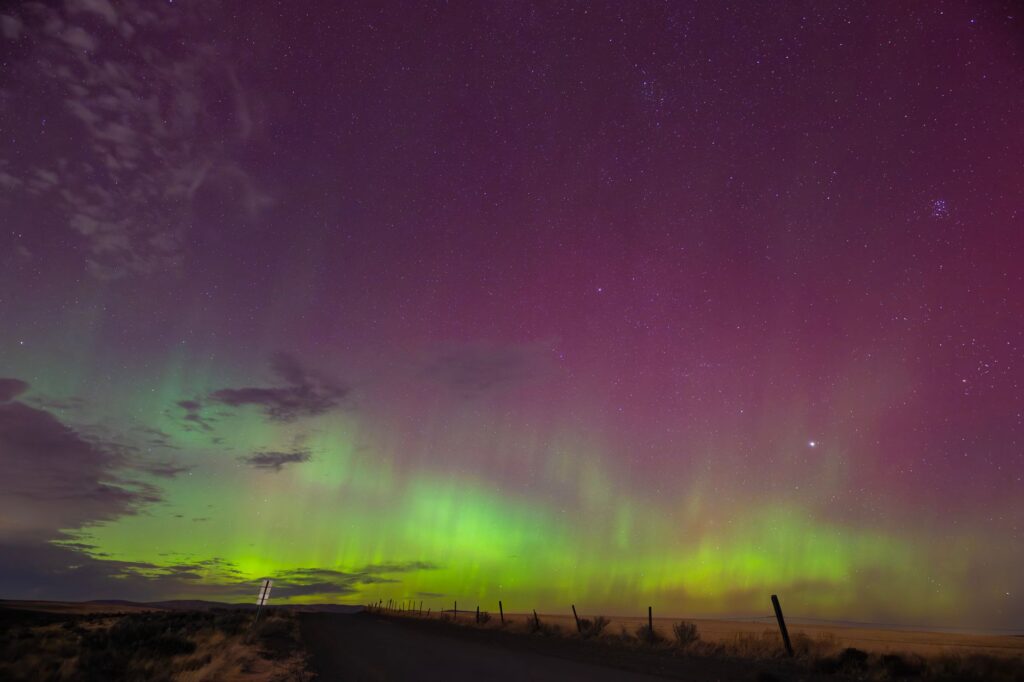
Predict solar storms is crucial for safeguarding Earth, and India’s Aditya-L1 has made significant strides in understanding solar activities. This discovery could revolutionize how we forecast solar storms and protect our planet.
Understanding Solar Storms
Solar storms, also known as coronal mass ejections (CMEs), are massive bursts of solar wind and magnetic fields rising above the solar corona or being released into space. These storms can have significant effects on Earth, including disruptions to satellite communications, navigation systems, and even power grids. Understanding solar storms is crucial for mitigating their potential impacts.
Recent advancements in solar research, particularly with India’s Aditya-L1 mission, have shed light on the mechanisms behind these powerful phenomena. This mission aims to study the Sun in greater detail, focusing on its outer layers and magnetic activity. With enhanced observational capabilities, scientists hope to develop better models to predict solar storms.
Several factors contribute to the formation and intensity of solar storms:
- Solar Wind: Streams of charged particles emitted by the Sun can interact with Earth’s magnetic field.
- Magnetic Reconnection: When magnetic field lines in the solar atmosphere rearrange, energy is released, leading to explosive events.
- Sunspots: Areas of intense magnetic activity on the Sun’s surface can be precursors to solar storms.
By improving our ability to predict solar storms, we can better prepare for their impacts, safeguarding technology and lives on Earth.
The Role of Aditya-L1 in Solar Research
The recent launch of India’s Aditya-L1 spacecraft marks a significant advancement in solar research. This mission aims to enhance our understanding of solar phenomena, particularly in the context of how to predict solar storms. By studying the Sun’s outer layers, Aditya-L1 can gather essential data that may lead to improved forecasting models.
Aditya-L1 is equipped with advanced instruments designed to monitor various solar activities, including:
- Coronagraphs: These instruments will observe the solar corona, which is crucial for understanding solar wind and coronal mass ejections.
- Multi-wavelength imaging: Capturing images in different wavelengths will help scientists analyze the Sun’s surface and its magnetic fields.
- Particle detectors: These will measure solar energetic particles that contribute to space weather events.
Through continuous monitoring, Aditya-L1 aims to identify patterns associated with solar storms, ultimately providing a clearer picture of when and how these storms occur. This data is vital, as solar storms can disrupt satellite communications, power grids, and even pose risks to astronauts in space.
With the potential to revolutionize our ability to predict solar storms, Aditya-L1 stands at the forefront of solar research, paving the way for a safer future in space exploration and technology on Earth.
How Solar Storms Affect Earth
Solar storms, also known as coronal mass ejections (CMEs), can have significant effects on Earth, disrupting communication systems and power grids. These natural phenomena occur when the Sun releases large amounts of plasma and magnetic fields into space, which can collide with Earth’s magnetosphere.
The impacts of solar storms can range from minor disruptions to severe technological failures. Some of the primary ways solar storms affect Earth include:
- Communication Disruptions: Solar storms can interfere with radio signals, affecting aviation and maritime operations.
- GPS Interference: Navigational systems may experience inaccuracies during solar storm events, impacting travel and logistics.
- Power Grid Vulnerability: Intense solar activity can induce geomagnetic storms that lead to voltage fluctuations and potential blackouts.
- Satellite Damage: Satellites in orbit can be at risk from charged particles, leading to malfunctions or reduced lifespan.
Understanding these effects is crucial for developing strategies to predict solar storms. With advancements in solar research, particularly from missions like Aditya-L1, scientists aim to enhance their ability to predict solar storms. This could mitigate the risks posed by these powerful solar events and protect vital infrastructure on Earth.
Recent Discoveries from Aditya-L1
Recent findings from India’s Aditya-L1 mission have shed new light on the behavior of solar storms, enhancing our ability to predict solar storms that may impact Earth. This mission, launched to study the Sun’s atmosphere, has provided valuable data that could transform our understanding of solar activities.
The Aditya-L1 satellite is equipped with advanced instruments designed to observe various solar phenomena. Among its key discoveries are:
- Coronal Mass Ejections (CMEs): Aditya-L1 has tracked CMEs with unprecedented detail, allowing scientists to analyze their speed and trajectory.
- Solar Wind Patterns: Observations of the solar wind’s variations have improved our ability to forecast its effects on Earth’s magnetosphere.
- Magnetic Field Dynamics: The mission has revealed new insights into solar magnetic fields, crucial for understanding how they influence solar storm development.
These discoveries are not only significant for solar research but also for space weather forecasting. By employing data from Aditya-L1, scientists hope to develop more reliable models to predict solar storms, thereby minimizing their potentially harmful impacts on satellite operations, power grids, and communication systems on Earth.
Future Implications for Space Weather
The recent advancements in solar research brought about by India’s Aditya-L1 mission have significant future implications for understanding and predicting solar storms. As scientists delve deeper into the intricacies of solar activity, the ability to predict solar storms is becoming increasingly achievable.
One of the most promising aspects of this research is the potential to enhance early warning systems. With accurate predictions, governments and organizations can better prepare for the disruptive effects of solar storms on technology and infrastructure. The key implications include:
- Enhanced Communication Systems: Predicting solar storms will allow for the protection of satellites and communication networks from solar-induced disruptions.
- Improved Power Grid Management: Utility companies can implement preventive measures to protect power grids from fluctuations caused by solar activity.
- Informed Aviation Operations: Airlines can adjust flight paths during periods of heightened solar activity, ensuring passenger safety.
- Advancements in Space Exploration: Understanding solar storms will aid future missions by preparing astronauts for potential hazards in space.
As the research from Aditya-L1 continues to unfold, the realization of these implications could transform how humanity interacts with space weather, marking a pivotal progression in our ability to predict solar storms and safeguard our technological society.
The Importance of Solar Predictions
As scientists continue to explore the complexities of our solar system, the ability to predict solar storms has become increasingly crucial. Solar storms, or coronal mass ejections, can have significant impacts on Earth, potentially disrupting communication systems, power grids, and even satellite operations. Understanding these phenomena enables better preparedness and mitigation strategies, safeguarding technology that modern society relies upon.
The recent advancements from India’s Aditya-L1 mission have provided valuable insights into solar activity, revealing patterns that could enhance prediction accuracy. By monitoring solar flares and magnetic field changes in real time, researchers hope to develop models that can forecast solar storms with greater precision.
Some key reasons why solar predictions are essential include:
- Protection of Infrastructure: Anticipating solar storms allows utility companies to take preventive measures to protect electrical grids.
- Safety of Astronauts: Accurate predictions can help ensure the safety of astronauts in space, shielding them from harmful radiation.
- Aviation Operations: Airlines can reroute flights to avoid areas affected by intense solar activity, thus improving passenger safety.
In summary, the ability to effectively predict solar storms not only enhances our understanding of solar dynamics but also plays a vital role in ensuring the safety and functionality of technology on Earth.
Conclusion: A New Era in Solar Research
In conclusion, the recent advancements in solar research, particularly through the efforts of India’s Aditya-L1 mission, signal a new era in our ability to predict solar storms. This groundbreaking work not only enhances our understanding of solar activity but also provides vital insights into how these phenomena can impact Earth.
The implications of improved solar storm predictions are vast. By accurately forecasting solar events, scientists can develop better protective measures for satellites, power grids, and communication systems that are vulnerable to solar radiation. The newfound data from Aditya-L1 may enable meteorologists to issue timely warnings, thereby minimizing potential disruptions to daily life and safeguarding critical infrastructure.
As we look to the future, the collaboration between international space agencies and researchers will be essential in expanding our knowledge of the Sun’s behavior. Continued investment in solar research will not only enhance our predictive capabilities but also foster a deeper understanding of the interconnectivity between solar activity and terrestrial phenomena.
Ultimately, the journey toward mastering solar storm predictions is just beginning. With ongoing research and technological advancements, we are poised to navigate the complexities of space weather and protect our planet from the unpredictable forces of the Sun.
Photo by Frank Cone on Pexels






1 thought on “Predict Solar Storms: Is This Discovery the Best Way Forward?”