Beating malaria: Proven ways to overcome challenges
Beating malaria is crucial for global health. Discover the proven actions needed to tackle this disease effectively.
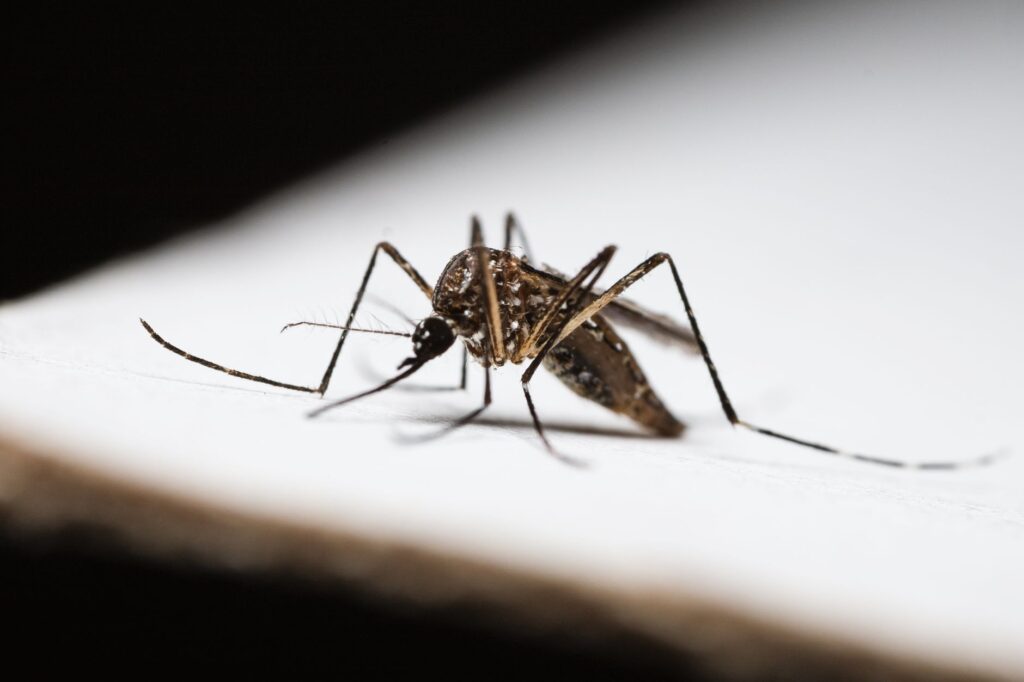
beating malaria remains a significant challenge in global health. Despite advancements in science, several barriers still hinder progress.
Current Challenges in Beating Malaria
Despite significant advancements in research and treatment, several current challenges remain in beating malaria. These obstacles hinder global efforts to eradicate the disease and protect vulnerable populations.
- Drug Resistance: The emergence of drug-resistant strains of malaria has complicated treatment protocols. As these strains become more prevalent, traditional medications become less effective, necessitating the development of new treatments.
- Insecticide Resistance: Mosquito populations are developing resistance to common insecticides used in bed nets and indoor spraying. This resistance reduces the effectiveness of preventative measures, putting more individuals at risk.
- Healthcare Access: In many regions, especially in remote areas, access to healthcare services remains limited. This lack of access prevents timely diagnosis and treatment, contributing to the persistence of malaria.
Addressing these challenges is crucial for making progress in beating malaria. Enhanced research, improved healthcare infrastructure, and innovative strategies are essential to overcome these barriers and reduce the burden of this preventable disease.
Innovative Approaches to Combat Malaria
Innovative approaches are crucial in the ongoing fight against malaria, especially as the world seeks effective strategies for beating malaria. Researchers and health organizations are exploring several promising methods to tackle the disease.
- Genetic Engineering: Advances in genetic modification are being applied to create malaria-resistant mosquitoes. These genetically altered insects can help reduce the transmission of the parasite.
- New Vaccines: The development of novel vaccines is underway, with several candidates showing promise in clinical trials. These vaccines aim to provide long-lasting immunity against malaria.
- Mobile Technology: Utilizing mobile technology for health monitoring and disease tracking is transforming how malaria outbreaks are managed. This technology enables quicker responses and more efficient resource allocation.
- Community Engagement: Involving local communities in prevention efforts ensures that strategies are culturally appropriate and widely accepted, enhancing the overall effectiveness of malaria control measures.
Through these innovative approaches, the global health community continues to make strides in beating malaria and reducing its impact on vulnerable populations.
Community Actions for Beating Malaria
Community involvement plays a crucial role in beating malaria. Local initiatives can significantly enhance the effectiveness of malaria control measures. Here are some key actions that communities can take:
- Education and Awareness: Raising awareness about malaria transmission, symptoms, and prevention methods is essential. Community workshops and informational campaigns can empower individuals to take preventative measures.
- Insecticide-Treated Nets: Distributing and promoting the use of insecticide-treated bed nets can help reduce the incidence of malaria. Community organizations can facilitate this through local health clinics.
- Environmental Management: Communities can engage in activities such as clearing stagnant water and improving drainage systems to reduce mosquito breeding sites.
- Health Surveillance: Establishing local health surveillance systems can help identify outbreaks quickly. Community health workers can play a vital role in monitoring malaria cases and ensuring timely treatment.
By taking these steps, communities can directly contribute to beating malaria and protecting public health.
The Role of Governments in Malaria Prevention
Governments play a crucial role in the global fight against malaria, acting as the backbone of prevention strategies and ensuring the allocation of necessary resources. To effectively tackle the challenges of beating malaria, it is essential that governments implement comprehensive policies and strengthen healthcare systems.
Key actions that governments can take include:
- Funding Research: Investing in research and development for new treatments, vaccines, and diagnostic tools is vital for progress in malaria prevention.
- Strengthening Healthcare Infrastructure: Improving access to healthcare services, particularly in remote areas, helps ensure timely diagnosis and treatment of malaria cases.
- Public Awareness Campaigns: Educating communities about malaria transmission and prevention can significantly reduce infection rates.
- Collaboration with NGOs: Partnering with non-governmental organizations can enhance outreach efforts and provide additional resources for malaria eradication initiatives.
By prioritizing these actions, governments can create a robust framework to support the fight against malaria, ultimately leading to a significant reduction in malaria cases and deaths.
Photo by Ignacio Vazquez on Pexels


1 thought on “Beating malaria: Proven ways to overcome challenges”