Neuralink brain chip: Is it the best tech breakthrough yet?
Neuralink brain chip is getting FDA approval. What does this mean for the future of brain-computer interfaces?
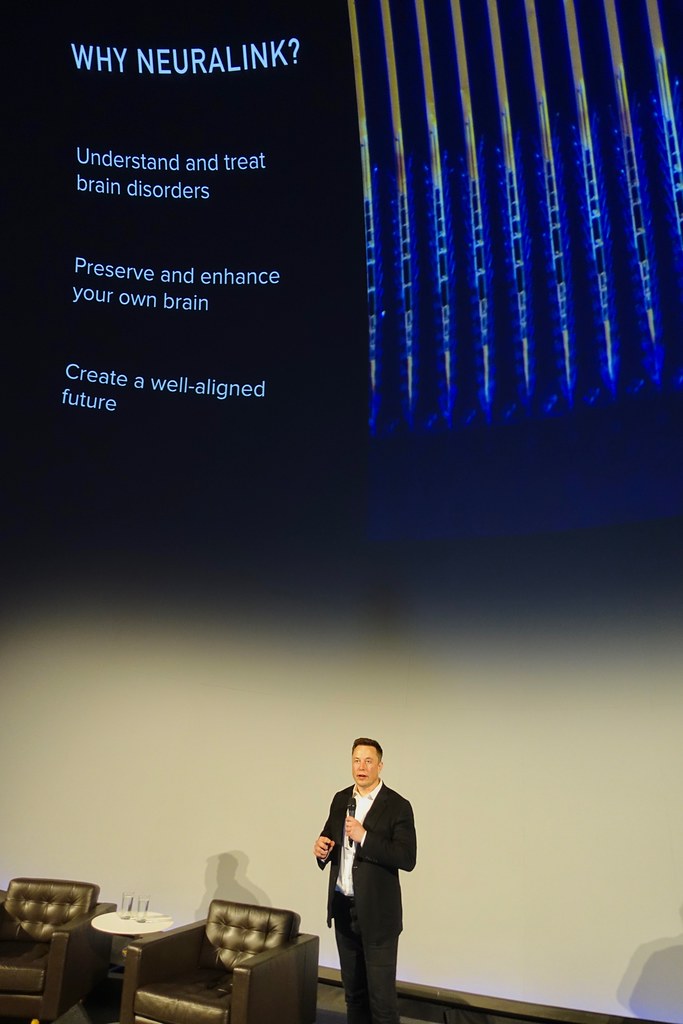
Neuralink brain chip has recently received FDA approval, signaling a significant step towards commercial launch. This development raises questions about the implications and potential benefits of brain-computer interfaces.
What is the Neuralink brain chip?
The Neuralink brain chip is an advanced neurotechnology device designed to interface directly with the human brain. Developed by Neuralink, a company co-founded by Elon Musk, this innovative chip aims to facilitate communication between the brain and external devices, potentially revolutionizing the treatment of neurological disorders.
The device is implanted in the skull and connects to brain neurons through ultra-thin threads. It is intended to enhance cognitive functions and may offer solutions for conditions such as:
- Alzheimer’s disease
- Parkinson’s disease
- Spinal cord injuries
- Depression
With the recent approval from the FDA, the Neuralink brain chip is poised for commercial launch, raising hopes for its potential impact on healthcare and human enhancement. As research progresses, the implications of this technology could extend beyond medical applications, possibly transforming how humans interact with machines.
How does the Neuralink brain chip work?
The Neuralink brain chip operates through a sophisticated interface that connects the human brain to computers. This revolutionary technology utilizes tiny threads that are implanted in the brain, which can read and interpret neural signals. These threads are thinner than a human hair and are designed to minimize damage to brain tissue.
Once implanted, the Neuralink brain chip can transmit data wirelessly to external devices, allowing users to control computers, smartphones, and other technology simply by thought. The chip processes the signals and translates them into actionable commands.
Furthermore, the advanced algorithms used in the Neuralink brain chip enable it to learn and adapt over time, improving its accuracy and responsiveness. This capability opens up potential applications in various fields, including:
- Medical rehabilitation
- Assistive technologies for disabled individuals
- Enhanced communication
As Neuralink continues to develop its brain chip, the possibilities for enhancing human interaction with technology are vast.
Neuralink brain chip FDA approval details
The Neuralink brain chip has recently received crucial approval from the FDA, marking a significant milestone in the journey toward commercial availability. This approval allows the company to conduct human trials, paving the way for potential advancements in treating neurological conditions.
According to reports, Neuralink aims to start these trials as early as next year, focusing on conditions such as:
- Paralysis – Offering new ways for patients to interact with their environments.
- Severe depression – Exploring avenues for enhanced mental health treatment.
- Neurological disorders – Targeting a variety of debilitating conditions.
Elon Musk has expressed confidence in the Neuralink brain chip as a groundbreaking technology that could not only assist those with existing conditions but also enhance cognitive capabilities in healthy individuals. As the company moves forward, many are eager to see the implications of this revolutionary chip.
Potential benefits of the Neuralink brain chip
The Neuralink brain chip promises a range of potential benefits that could revolutionize the field of neuroscience and personal technology. Among the most significant advantages are:
- Medical Treatments: The chip could assist in treating neurological disorders, such as epilepsy and Parkinson’s disease, by providing real-time monitoring and targeted stimulation.
- Enhanced Communication: Individuals with speech impairments may be able to communicate more effectively, using thought alone to convey messages through a connected device.
- Memory Improvement: The Neuralink brain chip could pave the way for innovations in memory enhancement, potentially aiding those with cognitive decline.
- Accessibility: This technology may help individuals with physical disabilities interact with their environment in ways that were previously impossible.
With the potential to bridge the gap between human cognition and digital interfaces, the Neuralink brain chip could indeed be one of the most significant tech breakthroughs of our time.
Future of brain-computer interfaces
The future of brain-computer interfaces, particularly with the advent of the Neuralink brain chip, holds immense promise. Experts believe that this technology could revolutionize how humans interact with machines and the world around them.
While still in its early stages, the potential applications of brain-computer interfaces are vast:
- Restoring lost sensory functions: The ability to help individuals regain vision or hearing.
- Enhancing cognitive abilities: Tools that could improve memory and learning processes.
- Treatment of neurological disorders: Innovative solutions for conditions like Parkinson’s or epilepsy.
- Direct brain-to-brain communication: Paving the way for unprecedented forms of interaction.
As the Neuralink brain chip approaches commercial launch, it sparks discussion about ethical considerations and the potential societal impact. The journey ahead is filled with both excitement and caution.
By jurvetson via Openverse
Sources
Macy’s Thanksgiving Day Parade: A Smart Move for Safety · India retail inflation: Worst External Factors Impacting Prices · Tectonic Plates: What’s the Real Impact on Sea Level Changes?






1 thought on “Neuralink brain chip: Is it the best tech breakthrough yet?”