Mars orbiter mission: Proven technologies for space exploration
Mars orbiter mission introduces advanced computing and communications technologies for future space exploration.
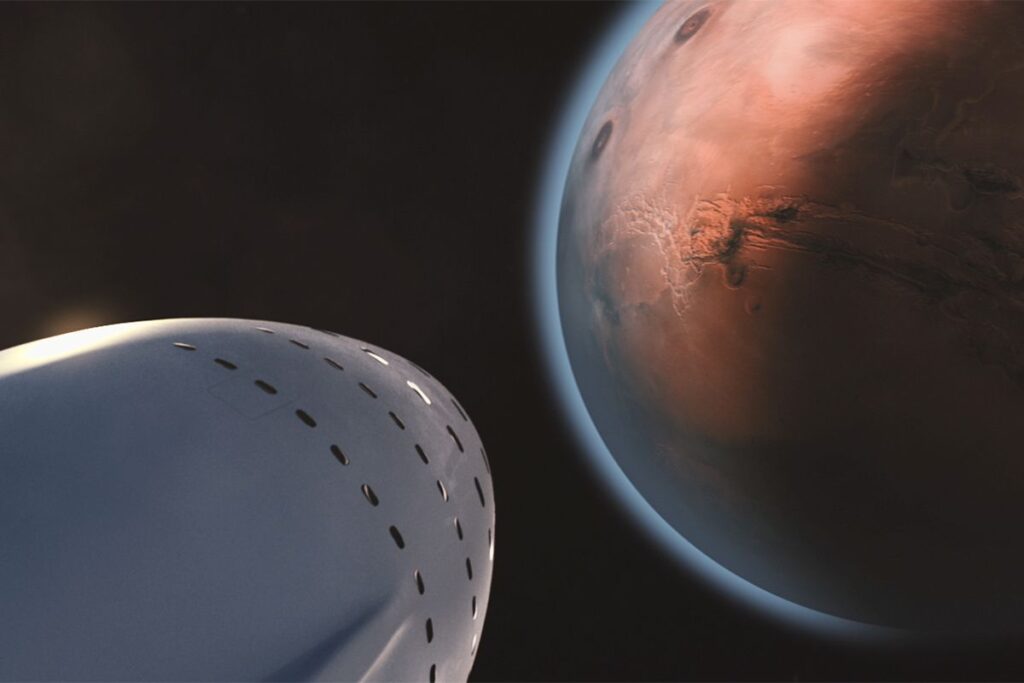
The Mars orbiter mission features advanced computing and communications technologies that promise to enhance our understanding of the Red Planet. This innovative approach aims to revolutionize space exploration.
Overview of the Mars orbiter mission
The Mars orbiter mission represents a significant leap in space exploration, showcasing cutting-edge technologies designed for interplanetary travel. Developed by Relativity Space, this mission aims to enhance our understanding of the Red Planet through advanced computing and communications systems.
This orbiter is equipped with state-of-the-art instruments that will collect invaluable data about Mars’ atmosphere, geology, and potential for past life. The integration of proven technologies ensures that the mission can operate efficiently and effectively in the harsh conditions of space.
Key features of the Mars orbiter mission include:
- Advanced Imaging Systems: For detailed surface analysis.
- Innovative Communication Protocols: To transmit data back to Earth reliably.
- Robust Navigation Tools: Ensuring precise orbit adjustments.
With these advancements, the Mars orbiter mission is set to contribute significantly to our knowledge of the universe.
Key technologies being utilized
The Mars orbiter mission showcases several key technologies that enhance its capabilities and efficiency in space exploration. These innovations are pivotal in ensuring the success of the mission and include:
- Advanced Computing: The orbiter is equipped with high-performance computing systems that allow for real-time data processing and analysis during its journey.
- Communication Systems: Enhanced communication technologies facilitate continuous contact between the orbiter and mission control, ensuring that data is transmitted reliably and quickly.
- Autonomous Navigation: The use of autonomous systems allows the orbiter to adjust its trajectory and make decisions without waiting for instructions from Earth, which is crucial for long-distance missions.
- Durable Materials: The spacecraft is constructed with materials designed to withstand the harsh conditions of space and the Martian atmosphere.
These technologies represent a significant advancement in the Mars orbiter mission, paving the way for future explorations.
Impact on future space exploration
The Mars orbiter mission has set a significant precedent for future space exploration, showcasing the potential of innovative technologies. As space agencies and private entities look to expand their reach beyond Earth, lessons learned from this mission will play a crucial role.
Key impacts include:
- Enhanced Communication: The advanced communication systems tested in the Mars orbiter mission will improve data transfer rates for future missions.
- Robust Computing Capabilities: The mission’s sophisticated computing technologies will enable more complex data analysis and real-time decision-making in harsh environments.
- Increased Collaboration: By demonstrating successful collaboration between agencies and industries, the mission paves the way for joint international missions to other planets.
Overall, the Mars orbiter mission will undoubtedly influence the design and execution of future exploratory endeavors, making space more accessible than ever before.
Challenges faced in development
The development of the Mars orbiter mission posed several challenges that tested the limits of current space technology. Engineers faced significant hurdles in ensuring the reliability and stability of systems designed for extreme conditions in space. One major concern was the need for robust communication systems to maintain contact with Earth over vast distances.
Additionally, the mission required advancements in propulsion technology to achieve efficient travel to Mars. The integration of new computing technologies also added complexity, as developers had to ensure that the onboard systems could handle sophisticated data processing tasks.
Furthermore, tight project timelines and budget constraints necessitated innovative solutions to overcome these obstacles. Despite these challenges, the Mars orbiter mission showcases how proven technologies can be adapted and enhanced for future space exploration endeavors.
- Reliability of systems
- Robust communication
- Advancements in propulsion
- Integration of computing technologies
Collaboration with other space agencies
The Mars orbiter mission has seen significant collaboration with various space agencies around the globe. These partnerships are essential for sharing knowledge, resources, and expertise in the complex field of space exploration. By working together, agencies can enhance the mission’s overall effectiveness and ensure the successful deployment of advanced technologies.
Key partnerships include:
- NASA: Providing scientific instruments and technical support.
- ESA: Contributing satellite communication capabilities.
- ISRO: Sharing data and experience from previous missions.
This collaborative effort not only strengthens the Mars orbiter mission but also fosters international cooperation in space exploration. By leveraging the unique strengths of each partner, the mission is poised to pave the way for future endeavors beyond Mars.
Timeline for mission launch
The timeline for the Mars orbiter mission emphasizes a meticulous planning process aimed at ensuring a successful launch and deployment. The mission is set to commence in the upcoming launch window, which opens in 2024. Key milestones leading up to the launch include:
- 2022-2023: Final testing and validation of onboard systems, focusing on advanced computing and communications technologies.
- Early 2024: Completion of integration with the launch vehicle, ensuring compatibility and performance.
- Mid-2024: Countdown and launch operations, with the Mars orbiter mission expected to reach its destination within approximately six months.
This timeline reflects the commitment to thorough preparation, which is essential for the success of the Mars orbiter mission and its contribution to our understanding of the Red Planet.
Photo by SpaceX on Pexels


1 thought on “Mars orbiter mission: Proven technologies for space exploration”