Cleanest city in India: What changes made Navi Mumbai best?
Cleanest city in India rankings reveal how Navi Mumbai surpassed Indore.
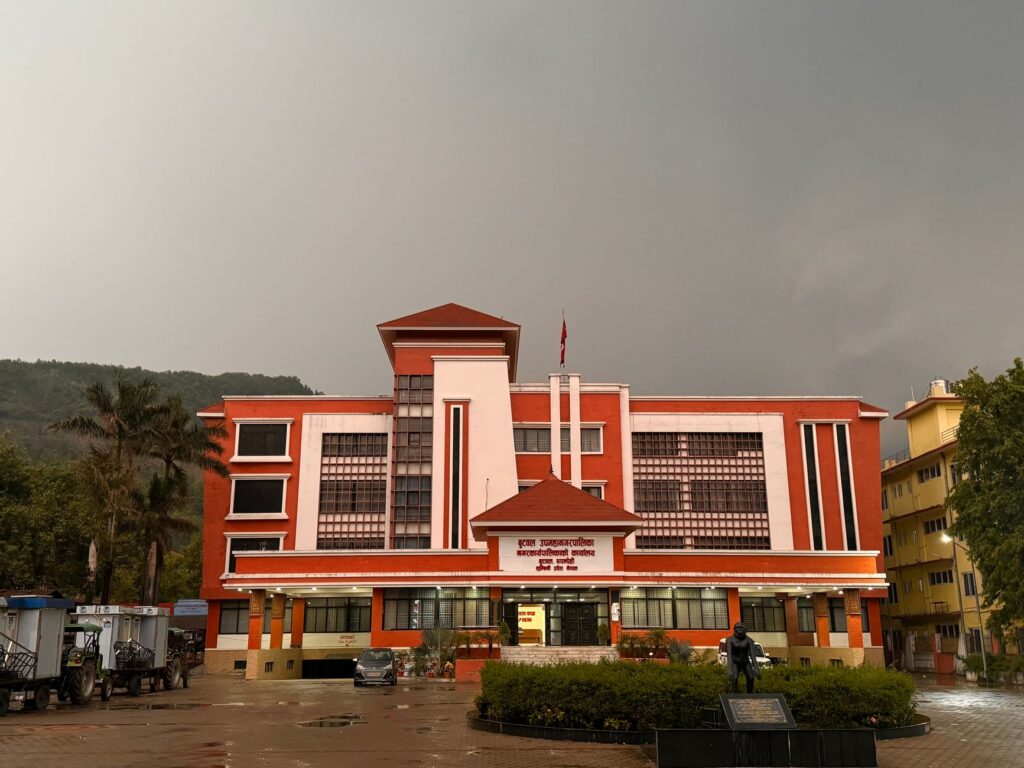
The cleanest city in India has changed, with Navi Mumbai dethroning Indore after eight years. This article explores the factors that contributed to Navi Mumbai’s rise in cleanliness rankings.
Overview of Clean City Rankings
The recent rankings for the cleanest city in India have heralded a significant change, with Navi Mumbai emerging as the leader, surpassing Indore, which held the title for eight consecutive years. This remarkable shift has captured the attention of both residents and city planners alike.
Over the years, the Swachh Survekshan initiative has played a pivotal role in evaluating the cleanliness and sanitation levels across urban areas in India. The annual survey assesses various parameters, including waste management, sanitation facilities, and citizen feedback. Navi Mumbai’s ascent in these rankings can be attributed to a combination of effective governance and community involvement.
- Effective Waste Management: The city has implemented innovative waste segregation and disposal systems, significantly reducing landfill waste.
- Public Engagement: A strong emphasis on community participation has fostered a sense of responsibility among residents, encouraging them to maintain cleanliness.
- Infrastructure Improvements: Investments in sanitation infrastructure, including public toilets and waste processing plants, have enhanced overall hygiene standards.
- Awareness Campaigns: Continuous educational initiatives have raised awareness about the importance of cleanliness and hygiene among citizens.
These transformative efforts have positioned Navi Mumbai as the cleanest city in India, setting a benchmark for other urban areas to aspire to in the pursuit of cleanliness and sustainability.
Key Factors for Navi Mumbai’s Success
Navi Mumbai has emerged as the cleanest city in India, surpassing Indore after eight consecutive years at the top. This remarkable achievement is attributed to several key factors that have transformed the city’s sanitation and waste management practices.
- Efficient Waste Management: Navi Mumbai Municipal Corporation (NMMC) has implemented a robust waste management system, which includes door-to-door collection and segregation of waste. This has significantly reduced the amount of waste sent to landfills.
- Public Awareness Campaigns: Continuous efforts to educate citizens about cleanliness and hygiene have fostered a culture of cleanliness among residents. Campaigns promoting the importance of a clean environment have resonated well with the community.
- Innovative Technology: The use of technology in monitoring and managing waste has played a crucial role. Smart bins equipped with sensors have been installed to optimize waste collection routes and schedules.
- Green Initiatives: The city has undertaken various green initiatives, including planting trees and maintaining parks, which have contributed to a healthier environment.
- Community Participation: Engaging local communities in cleanliness drives has fostered a sense of ownership and responsibility towards maintaining the city’s cleanliness.
These combined efforts have established Navi Mumbai not only as a model for other cities but also as a shining example of what can be achieved through collective action and commitment to cleanliness.
Historical Context of Cleanliness in India
The journey towards achieving the title of the cleanest city in India has been marked by significant efforts and transformations across various urban areas. Historically, cleanliness in Indian cities has often been a challenge due to rapid urbanization, population growth, and inadequate waste management systems.
In the past, cities like Indore and Mysuru consistently held the top positions in cleanliness rankings. Indore, in particular, had dominated the rankings for eight consecutive years, setting a high benchmark for other cities. The city implemented rigorous waste segregation practices and adopted innovative sanitation technologies, which significantly improved its cleanliness standards.
However, Navi Mumbai’s ascent to become the cleanest city in India reflects a broader shift in urban cleanliness initiatives across the country. The local municipal corporation took a multi-faceted approach, focusing on:
- Community Engagement: Involving residents in cleanliness drives and awareness programs.
- Efficient Waste Management: Improving waste collection and processing facilities.
- Infrastructure Development: Investing in better sanitation infrastructure and public toilets.
As a result of these efforts, Navi Mumbai not only improved its sanitation and hygiene standards but also set a new standard for urban cleanliness, showcasing the potential for other cities to follow in its footsteps.
Government Initiatives and Policies
The transformation of Navi Mumbai into the cleanest city in India can be attributed to a series of targeted government initiatives and policies aimed at enhancing urban cleanliness and sustainability. These measures have not only facilitated a cleaner environment but have also fostered community engagement and awareness.
One of the cornerstone policies implemented by the Navi Mumbai Municipal Corporation (NMMC) was the introduction of a robust waste management system. This system emphasizes:
- Segregation at Source: Residents are encouraged to separate wet and dry waste, ensuring that recyclable materials are processed efficiently.
- Door-to-Door Collection: Regular waste collection services have been established, reducing litter and promoting responsible disposal.
- Public Awareness Campaigns: Educational programs have been rolled out to inform citizens about the importance of cleanliness and their role in maintaining it.
Additionally, the NMMC has invested in upgrading public infrastructure, including the installation of more dustbins and the maintenance of parks, which contributes to a cleaner urban landscape. These initiatives have been complemented by strict penalties for littering, making residents more accountable for their surroundings.
As a result of these comprehensive efforts, Navi Mumbai has successfully claimed its title as the cleanest city in India, setting a benchmark for others to follow.
Community Involvement and Awareness
The remarkable transformation of Navi Mumbai into the cleanest city in India can be attributed significantly to community involvement and awareness initiatives. Local residents have played a crucial role in fostering a culture of cleanliness and sustainability, ensuring that the city’s achievements are not just a result of governmental efforts but also community-driven actions.
One of the pivotal strategies has been the implementation of awareness programs aimed at educating citizens about waste segregation, proper disposal methods, and the importance of keeping public spaces clean. These initiatives have encouraged active participation from all age groups, promoting a sense of responsibility towards the environment.
- Waste Management Workshops: Regular workshops have been conducted to teach residents effective waste management practices.
- Community Clean-Up Drives: Numerous clean-up events organized by local groups have mobilized volunteers to beautify parks, streets, and public spaces.
- Involvement of Schools: Educational institutions have incorporated cleanliness programs into their curriculum, instilling values of hygiene and environmental stewardship in young minds.
Furthermore, the city has leveraged social media platforms to spread awareness and engage citizens in discussions about cleanliness and urban living. This collaborative effort has not only enhanced the aesthetic appeal of Navi Mumbai but has also solidified its position as the cleanest city in India, inspiring other cities to adopt similar practices.
Comparing Navi Mumbai and Indore
In the race for the title of the cleanest city in India, Navi Mumbai has recently surpassed Indore, a city that held the position for eight consecutive years. This shift in rankings has sparked interest in the specific changes that contributed to Navi Mumbai’s success.
Both cities have made significant strides in maintaining cleanliness, yet their approaches differ in several ways:
- Waste Management: Navi Mumbai has implemented advanced waste segregation systems at the source, ensuring that recyclables are efficiently processed. In contrast, Indore has focused on extensive public awareness campaigns to encourage proper disposal.
- Public Toilets: The availability and maintenance of public toilets have improved in Navi Mumbai, making it a more hygienic environment for residents and visitors. Indore’s efforts in this area have been commendable, but Navi Mumbai’s newer facilities have garnered more positive feedback.
- Green Initiatives: Navi Mumbai has invested in green spaces and urban forests, promoting a cleaner atmosphere. Indore, while also developing parks, has not matched Navi Mumbai’s scale of greenery integration.
- Citizen Participation: Increased community involvement in cleanliness drives has played a crucial role in Navi Mumbai’s ascent. Although Indore has engaged citizens, Navi Mumbai’s initiatives have seen a broader impact.
As the competition for the cleanest city in India intensifies, both cities continue to evolve, showcasing their commitment to cleanliness and sustainability.
Future Goals for Urban Cleanliness
Navi Mumbai, now recognized as the cleanest city in India, is not resting on its laurels. The local authorities have outlined ambitious future goals to maintain and enhance urban cleanliness. These goals reflect a commitment to sustainability, community engagement, and innovation.
One of the primary objectives is to achieve 100% waste segregation at the source. This initiative aims to significantly reduce landfill waste and promote recycling, ensuring that residents actively participate in maintaining cleanliness. To support this, educational campaigns will be launched to raise awareness about the importance of waste management.
Furthermore, Navi Mumbai plans to expand its green cover by planting more trees and developing parks and open spaces. This initiative not only beautifies the city but also contributes to better air quality and a healthier environment.
Another goal is to enhance the city’s sanitation infrastructure. The municipal corporation is investing in advanced technologies for waste processing and increasing the number of public toilets to ensure hygiene standards are upheld.
Finally, fostering community participation remains a key strategy. Regular cleanliness drives and events will be organized to involve citizens and strengthen the sense of ownership towards their surroundings. With these comprehensive plans, Navi Mumbai aims to not only retain its title as the cleanest city in India but also set a benchmark for urban cleanliness across the nation.
Conclusion and Takeaways
In conclusion, Navi Mumbai’s ascent to being recognized as the cleanest city in India marks a significant achievement in urban cleanliness and sustainability. The transformation has not been a mere coincidence but a result of a combination of strategic planning, community engagement, and robust government initiatives. As highlighted throughout this article, several key factors contributed to this remarkable turnaround.
Firstly, the implementation of effective waste management systems has played a crucial role. The city’s emphasis on segregation at the source and efficient waste processing facilities has set a benchmark for other urban areas. Moreover, the commitment to regular cleanliness drives and public awareness campaigns has galvanized community participation, ensuring that residents take pride in maintaining their surroundings.
Additionally, the role of technology cannot be understated. The use of smart city initiatives has facilitated real-time monitoring of cleanliness, allowing for prompt action where needed. This innovative approach has not only improved the quality of life for residents but has also enhanced the city’s image nationally and internationally.
Looking ahead, Navi Mumbai aims to sustain its status as the cleanest city in India by continuously evolving its strategies and practices. As urban areas face increasing challenges related to cleanliness and sustainability, Navi Mumbai serves as a model of how concerted efforts can lead to substantial improvements in urban living conditions.
Navi Mumbai has earned the title of the cleanest city in India through a series of innovative waste management initiatives. The commitment of local authorities and citizens alike has transformed Navi Mumbai into the cleanest city in India, setting a benchmark for others to follow.
Photo by CP Khanal on Pexels
Read the original
Related stories
Starshield network restrictions: Ukraine faces new challenges · Diwali wish from Modi: A Simple and Honest Gesture · India’s Poverty Reduction: Clear Steps for Proven Success


1 thought on “Cleanest city in India: What changes made Navi Mumbai best?”