West storms impact: The worst weather hitting our region
West storms impact brings heavy snow, rain, and wind to the region, affecting travel and safety.
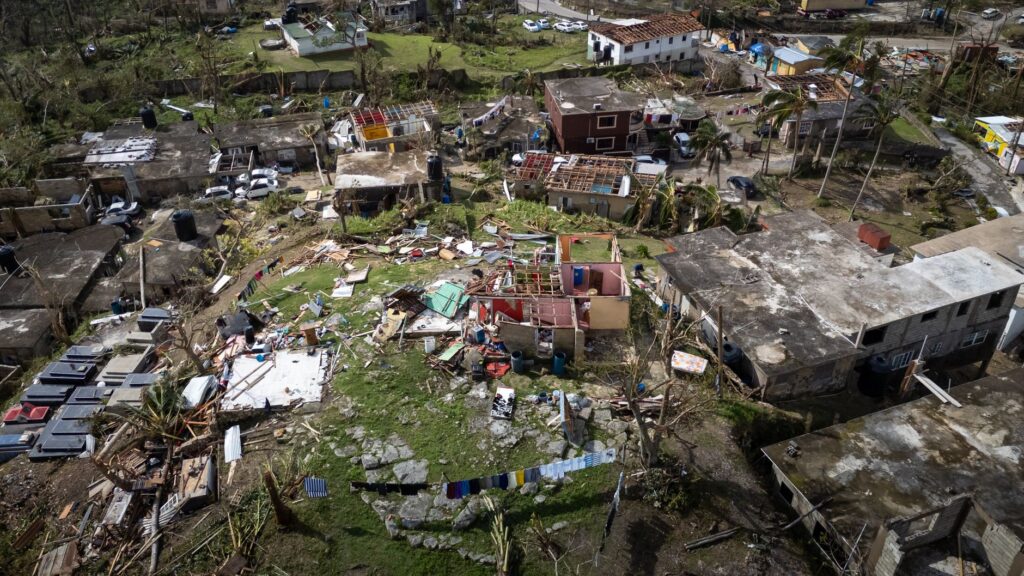
West storms impact has become a significant concern as severe weather conditions are set to batter the region with mountain snow, rain, and strong winds.
Understanding the West storms impact
The recent weather patterns have highlighted the significant impact of West storms on local communities. Residents are bracing for severe conditions as meteorologists predict a combination of heavy rainfall, strong winds, and substantial mountain snow.
As these storms approach, several key factors are contributing to their intensity:
- Increased rainfall: Forecasts indicate that areas could receive several inches of precipitation, raising concerns about flooding.
- Mountain snow: Higher elevations are expected to experience heavy snowfall, creating hazardous driving conditions and potential avalanches.
- Strong winds: Wind gusts may reach dangerous levels, posing risks of downed trees and power outages.
Overall, understanding the West storms impact is crucial for ensuring safety and preparedness as these extreme weather events unfold in the region.
What to expect from the upcoming storms
The upcoming storms are expected to bring significant changes to the weather across the West. Residents should prepare for a variety of conditions that could impact daily life.
Key expectations include:
- Heavy snowfall in mountainous regions, leading to potential road closures and travel disruptions.
- Intense rainfall that may cause flooding in low-lying areas, prompting flash flood warnings.
- Strong winds that could down trees and power lines, resulting in power outages.
- High waves along the coastline, increasing the risk for beachgoers and marine activities.
As these storms roll in, the West storms impact will be felt widely, and residents are urged to stay informed and take necessary precautions to ensure safety.
Safety precautions during severe weather
As the West storms impact our region, it is essential to prioritize safety during severe weather conditions. Here are some important precautions to consider:
- Stay informed: Monitor local news and weather updates for real-time information about storm developments.
- Prepare an emergency kit: Include essentials such as water, non-perishable food, medications, and flashlights.
- Secure property: Ensure that outdoor furniture and decorations are safely stored or anchored to prevent them from becoming projectiles.
- Avoid unnecessary travel: If conditions worsen, stay indoors and avoid driving unless absolutely necessary.
- Have a communication plan: Make sure family members know how to reach each other and where to meet in case of an emergency.
By taking these precautions, residents can better navigate the challenges posed by the West storms impact.
Travel disruptions due to West storms
Travel disruptions are becoming increasingly common as the West storms impact our region. Airlines have been forced to cancel numerous flights due to severe weather conditions, including heavy rain and strong winds. Major airports are experiencing delays, leaving travelers stranded and frustrated.
Road conditions are also hazardous, with reports of flooding and snow accumulation in mountain areas. Motorists are advised to avoid unnecessary travel and to stay updated on local weather conditions.
In some regions, public transport services have been suspended or modified. Commuters should check with their local transit authorities for the latest updates.
As the storms continue to develop, it is crucial for everyone to remain informed and prepared for potential travel disruptions. The safety of the community remains the top priority during these challenging weather events.
How mountain snow affects local areas
The recent West storms impact has been felt acutely in the mountainous regions, where heavy snowfall can lead to both challenges and benefits for local areas.
Mountain snow plays a crucial role in the ecosystem and water supply, but it also poses risks, such as:
- Increased avalanche danger: The accumulation of snow can destabilize slopes, leading to potential avalanches.
- Road closures: Heavy snowfall often results in blocked roads, complicating travel for residents and emergency services.
- Infrastructure strain: The weight of the snow can put pressure on roofs and power lines, leading to outages and damages.
Despite these hazards, local communities rely on the snowpack for their water resources, highlighting the complex relationship between winter storms and the environment.
Historical context of storms in the West
The West has a long history of severe storms that have shaped its environment and communities. From heavy rains to intense snowfalls, these weather events have consistently tested the resilience of the region. The impact of West storms can be seen in both urban and rural landscapes, often leading to significant changes in infrastructure and natural ecosystems.
Historically, the West experiences a range of storm systems, particularly during winter months when cold fronts collide with warmer air. In the past decades, scientists have observed an increase in the frequency and intensity of these storms, raising concerns about climate change and its effects on weather patterns.
Communities must remain vigilant, as the historical context of storms in the West serves as a reminder of the potential dangers and disruptions that can arise from such natural phenomena.
The West storms impact has been felt across multiple states, causing widespread damage and disruption. Residents are urged to prepare for further severe weather as the West storms impact continues to evolve.
Photo by Aviz Media on Pexels



1 thought on “West storms impact: The worst weather hitting our region”