Machine Learning Precision Medicine: The Best Proven Strategies
Machine Learning Precision Medicine is revolutionizing healthcare with proven strategies for biomarker discovery and genetic insights.
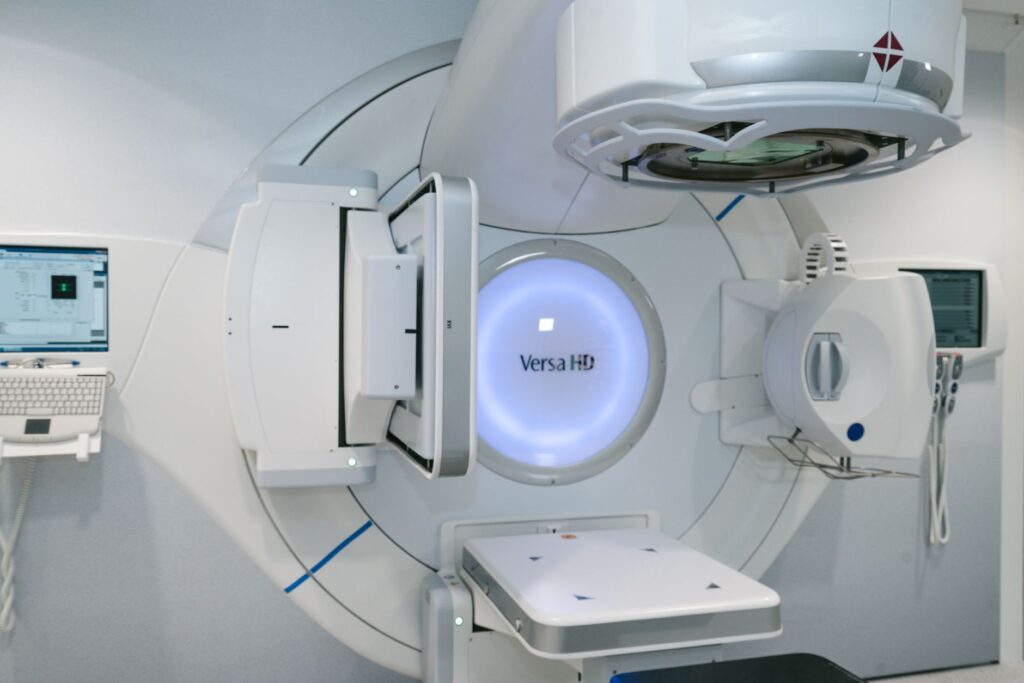
Machine Learning Precision Medicine is transforming the way we approach healthcare, integrating genetic data and biomarker discovery for personalized treatments.
Understanding Machine Learning in Healthcare
Machine learning has emerged as a transformative force in the field of healthcare, particularly in the realm of precision medicine. By leveraging vast amounts of data, machine learning algorithms can identify patterns and correlations that may not be evident to human analysts.
The integration of machine learning in healthcare is particularly beneficial for the following reasons:
- Data Analysis: Machine learning models can process and analyze complex datasets, including genetic, clinical, and environmental information.
- Personalized Treatment: By utilizing patient-specific data, these models enable healthcare providers to tailor treatments that align with individual characteristics.
- Predictive Analytics: Machine learning can predict disease progression and treatment outcomes, helping clinicians make informed decisions.
- Biomarker Discovery: Advanced algorithms aid in identifying potential biomarkers that are critical for early diagnosis and intervention.
As the field of machine learning precision medicine continues to evolve, it is essential for researchers and practitioners to collaborate, ensuring that the insights gained from these technologies are translated into effective healthcare solutions.
The Role of Multiomics in Precision Medicine
Multiomics plays a crucial role in the advancement of machine learning precision medicine, enabling a more comprehensive understanding of disease mechanisms. By integrating various omics data, including genomics, proteomics, and metabolomics, researchers can gain insights that were previously unattainable with single-omics approaches.
This integrative strategy allows for the identification of biomarkers that can predict disease outcomes and treatment responses more accurately. The following are key aspects of multiomics in precision medicine:
- Comprehensive Data Integration: Multiomics combines different biological data types, leading to a holistic view of patient health.
- Improved Patient Stratification: By analyzing various biological layers, clinicians can categorize patients more effectively, tailoring treatments to individual profiles.
- Enhanced Predictive Models: Machine learning algorithms can analyze complex multiomic datasets, improving the precision of predictions related to disease progression and therapeutic effectiveness.
- Discovery of Novel Biomarkers: Integrative analyses can reveal new biomarkers that facilitate earlier diagnosis and better treatment strategies.
As the field evolves, the synergy between multiomics and machine learning will undoubtedly enhance the effectiveness of precision medicine, paving the way for more personalized healthcare solutions.
Key Benefits of Biomarker Discovery
Biomarker discovery is a critical component in the realm of machine learning precision medicine, offering numerous benefits that enhance patient care and treatment outcomes. The identification and validation of biomarkers can lead to more personalized therapies, resulting in tailored treatment plans that cater to individual patient needs.
Some key benefits of biomarker discovery include:
- Improved Diagnostic Accuracy: Biomarkers can help differentiate between various diseases and conditions, leading to more accurate diagnoses and reducing the likelihood of misdiagnosis.
- Enhanced Treatment Personalization: By understanding a patient’s unique biological makeup, clinicians can prescribe treatments that are more likely to be effective, minimizing trial-and-error approaches.
- Predictive Insights: Biomarkers can provide insights into disease progression and treatment response, allowing healthcare providers to make informed decisions and adjust therapies accordingly.
- Cost-Effectiveness: Early detection and targeted therapies can ultimately reduce healthcare costs by preventing unnecessary treatments and hospitalizations.
As research in machine learning and multiomics continues to advance, the potential for discovering novel biomarkers will further revolutionize the landscape of precision medicine, leading to better patient outcomes and improved healthcare efficiency.
Future Trends in Personalized Medicine
As the field of precision medicine continues to evolve, several future trends are emerging that harness the power of machine learning. These advancements promise to enhance patient outcomes and tailor treatment strategies more effectively than ever before.
- Integration of Real-Time Data: With the rise of wearable devices and mobile health applications, real-time patient data collection will facilitate more dynamic treatment plans. Machine learning algorithms will analyze this data to provide timely insights, enabling healthcare providers to make informed decisions swiftly.
- Expanded Use of Artificial Intelligence: The incorporation of artificial intelligence into precision medicine will streamline research and clinical processes. This includes improving diagnostic accuracy and personalizing treatment plans based on vast datasets, including genomics and lifestyle factors.
- Focus on Health Equity: Future machine learning precision medicine approaches will aim to address disparities in healthcare by ensuring that algorithms are trained on diverse populations. This will lead to more equitable access to personalized treatments for all demographic groups.
- Collaborative Research Efforts: As collaboration between tech companies, researchers, and healthcare providers increases, the sharing of knowledge and resources will accelerate innovation in personalized medicine.
These trends highlight the potential of machine learning to revolutionize precision medicine, ultimately leading to better patient care and improved health outcomes.
Machine Learning Precision Medicine is revolutionizing the way we approach treatment and diagnosis in healthcare. By leveraging vast amounts of data, Machine Learning Precision Medicine can tailor interventions to individual patient needs, leading to better outcomes.
Photo by Jo McNamara on Pexels


1 thought on “Machine Learning Precision Medicine: The Best Proven Strategies”