Russia Energy Tariffs: Clear Insights on US Waiver for India
Russia energy tariffs are changing with a new US waiver for India. Discover the implications now.
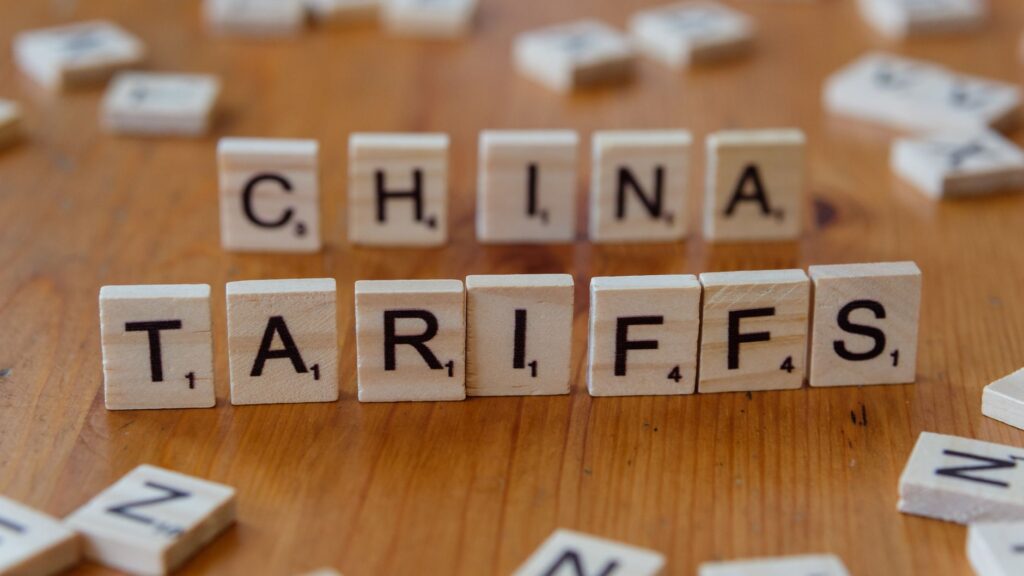
Russia energy tariffs are at the forefront as Marco Rubio details the US waiver for India. This significant move has implications for international relations and energy markets.
Understanding the US Waiver on Russia Energy Tariffs
The recent announcement regarding the US waiver on Russia energy tariffs for India has garnered significant attention. This decision comes amid ongoing geopolitical tensions and shifting energy dynamics. Marco Rubio, a prominent US senator, highlighted the implications of this waiver during a recent briefing.
Key points from Rubio’s remarks include:
- Strategic Partnership: The waiver is seen as a strategic move to strengthen the US-India relationship, particularly in energy security.
- Impact on Energy Imports: India, reliant on energy imports, may benefit from reduced costs associated with Russian energy tariffs.
- Geopolitical Considerations: This decision reflects the US’s broader strategy to counteract Russian influence in the region.
Furthermore, the waiver highlights the complexities surrounding global energy markets and the importance of diplomatic negotiations. As countries navigate these turbulent waters, the implications of Russia energy tariffs will continue to evolve, impacting economies and alliances worldwide.
Implications for India’s Energy Sector
The recent decision regarding Russia energy tariffs has significant implications for India’s energy sector. With the US waiving certain restrictions, India is positioned to enhance its energy imports from Russia, which may lead to a more stable energy supply in the region.
This waiver opens several opportunities, including:
- Increased energy security: By diversifying its energy sources, India can reduce dependence on other nations.
- Cost advantages: Lower tariffs may result in reduced energy costs for consumers and industries alike.
- Strengthened bilateral relations: Enhanced energy trade could foster closer ties between India and Russia.
However, challenges remain. India must navigate geopolitical tensions while ensuring sustainable energy practices. The balance between economic growth and international responsibilities will be critical in shaping the future of India’s energy landscape.
Marco Rubio’s Statement on Energy Policy
In a recent statement, Senator Marco Rubio addressed the complexities surrounding the US waiver on Russia energy tariffs for India. He emphasized that this decision is pivotal for ensuring energy security in the region while navigating geopolitical challenges. Rubio noted that the waiver allows India to import critical energy resources without the burden of punitive tariffs, thereby fostering economic stability.
Rubio highlighted several key points regarding the implications of this waiver:
- Strategic Partnerships: The waiver signifies a strengthening of US-India relations, particularly in energy cooperation.
- Energy Diversification: It encourages India to diversify its energy imports, reducing reliance on any single source.
- Global Energy Dynamics: The move reflects a broader strategy to counterbalance Russia’s influence in global energy markets.
Furthermore, Rubio underscored the importance of monitoring the long-term effects of these policies on both energy prices and international relations. The ongoing dialogue around Russia energy tariffs will remain critical as the situation evolves.
How the Waiver Affects Global Energy Prices
The recent US waiver on Russia energy tariffs has significant implications for global energy prices, particularly in the context of ongoing geopolitical tensions. With this waiver, India gains access to discounted Russian oil, which could lead to fluctuations in the international energy market. As India increases its imports of Russian energy, the demand dynamics may shift, affecting prices worldwide.
Industry analysts suggest that this change could potentially lower energy costs for countries reliant on Russian supplies, while simultaneously causing concern for nations that oppose Russia’s actions. The decision to grant India a waiver may lead to a ripple effect, prompting other countries to seek similar exemptions or adjustments to their energy procurement strategies.
As nations navigate this complex landscape, the balance between energy security and political alignment will be crucial. The outcome of these developments will shape the future of global energy pricing, and stakeholders are closely monitoring the situation for its long-term effects on the market.
Reactions from Indian Government Officials
Indian government officials have expressed a mix of relief and caution regarding the recent US waiver on Russia energy tariffs. This decision is seen as a potential lifeline for India’s energy needs, particularly in light of fluctuating global prices and supply disruptions.
One official stated, “The waiver allows us to explore energy partnerships without being constrained by punitive tariffs, ensuring a more stable energy supply for our nation.” Meanwhile, another representative emphasized the importance of maintaining a diversified energy portfolio, noting that “Reliance on any single source could expose us to geopolitical risks.”
Additionally, some officials voiced concerns about the long-term implications of relying on Russian energy. They argued that while the waiver is beneficial, India must continue to invest in renewable energy sources to reduce dependency on foreign fuels.
Overall, reactions highlight a pragmatic approach, balancing immediate energy security needs with the necessity for sustainable practices in the face of evolving geopolitical landscapes.
Future of US-Russia Energy Relations
The future of US-Russia energy relations remains uncertain, particularly in light of the recent developments surrounding Russia energy tariffs. As the US continues to navigate its geopolitical strategy, the impact of the waiver on energy tariffs is likely to play a significant role in shaping bilateral ties.
Analysts suggest that the waiver reflects a broader strategy aimed at countering Russia’s influence in global energy markets. The US may leverage this opportunity to strengthen partnerships with countries like India, which are vital for its energy diversification goals.
Furthermore, the evolving situation could prompt Russia to reassess its energy export strategies, particularly towards countries that are critical to its economy. The balance of power in energy supply chains is shifting, and both nations will need to adapt to these changes.
Overall, the dynamics of US-Russia energy relations will be closely monitored, as they could have significant implications for global energy policies and market stability in the years to come.
Photo by Markus Winkler on Pexels

1 thought on “Russia Energy Tariffs: Clear Insights on US Waiver for India”