Iran Helping Houthis: Is This the Worst Strategy for Saudi Arabia?
Iran helping Houthis raises concerns about Saudi Arabia’s security and regional stability.
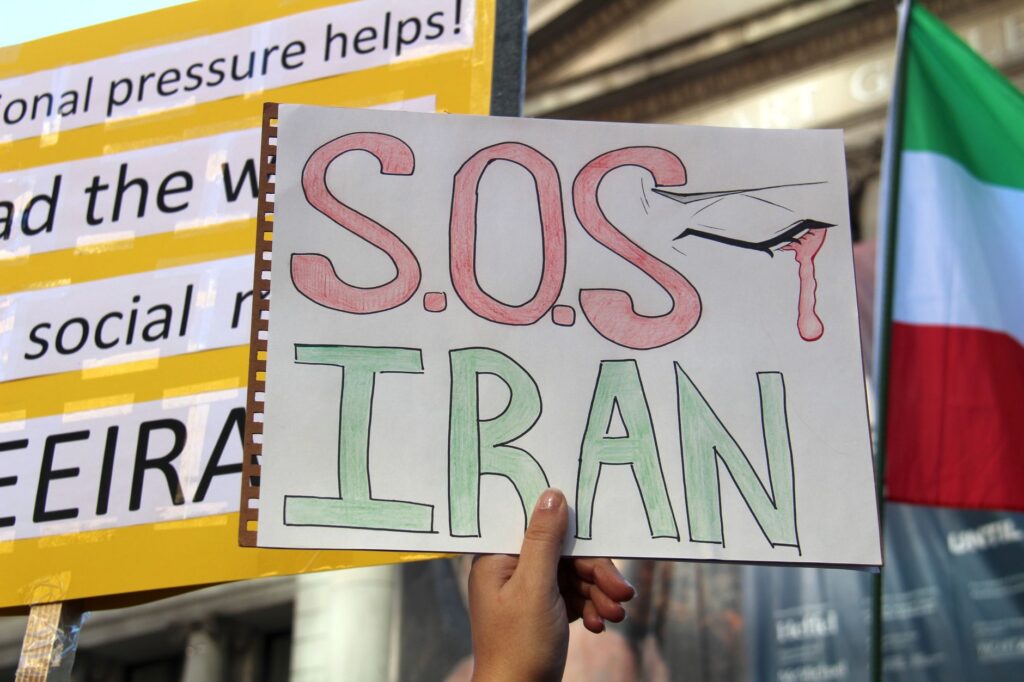
Iran helping Houthis has significant implications for Saudi Arabia’s national security and regional dynamics. This article explores the complexities of Tehran’s support for the Houthis and its impact on the Middle East.
Background on Iran and Houthis
The relationship between Iran and the Houthi movement in Yemen has significantly evolved over the past decade, with Iran helping Houthis in various ways. This alliance is rooted in shared political and ideological interests, particularly against Saudi Arabia, which views the Houthis as a direct threat to its influence in the region.
Since the start of the Yemeni Civil War in 2015, Iran has provided the Houthis with military support, financial aid, and training. This backing has enabled the Houthis to enhance their capabilities, making them a formidable force in the ongoing conflict.
Saudi Arabia, alarmed by this support, has launched a military campaign against the Houthis in an effort to restore the Yemeni government. However, this strategy has drawn criticism for its effectiveness and has resulted in a humanitarian crisis in Yemen.
Furthermore, the Iranian support for the Houthis not only complicates the security landscape for Saudi Arabia but also serves as a proxy for Iran to challenge Saudi influence without engaging in direct confrontation. As the situation unfolds, the implications of this alliance continue to resonate throughout the region.
The Impact of Iranian Support on Saudi Arabia
The ongoing support of Iran for the Houthis has significant implications for Saudi Arabia’s regional strategy. This assistance not only bolsters the Houthis’ military capabilities but also undermines Saudi Arabia’s influence in Yemen and the surrounding areas. As the Houthis continue to receive advanced weaponry and tactical training from Iran, their ability to launch attacks against Saudi targets has increased dramatically.
Furthermore, the Iranian support for Houthis poses a multifaceted threat to Saudi Arabia:
- Strategic Vulnerability: The enhanced military strength of the Houthis puts Saudi Arabia in a precarious position, forcing them to divert resources to counter this growing threat.
- Political Isolation: As the Houthis gain ground, Saudi Arabia risks losing allies who may view the conflict through a lens of sectarianism, potentially isolating Riyadh further on the international stage.
- Economic Impact: The continued conflict and instability in Yemen disrupt trade routes and pose risks to Saudi economic interests, particularly in oil production and exports.
In light of these challenges, the question remains whether Saudi Arabia can effectively counteract Iranian support for the Houthis without escalating the conflict further.
Strategic Implications for the Region
The strategic implications of Iran helping Houthis extend beyond Yemen, affecting the broader Middle East landscape. As Tehran continues to bolster the Houthis with military and financial support, it creates significant challenges for Saudi Arabia and its allies.
Firstly, this support enhances the Houthis’ capabilities, allowing them to conduct operations that threaten Saudi borders and disrupt maritime routes in the Red Sea. This not only places Saudi Arabia in a precarious position but also escalates tensions in the region.
Moreover, Iran’s involvement encourages other regional powers to reevaluate their strategies. Countries like the United Arab Emirates and Bahrain may feel compelled to strengthen their military presence or deepen alliances with global powers, such as the United States, to counteract the Iranian influence.
Additionally, the situation complicates U.S. foreign policy in the region. Washington’s efforts to mediate peace and stabilize Yemen are hindered by the ongoing support from Iran. The U.S. must navigate its relationships carefully, balancing support for Saudi Arabia while managing its diplomatic ties with Iran.
In this intricate web of alliances and enmities, the consequences of Iran helping Houthis could lead to a prolonged conflict, with unpredictable outcomes for regional stability.
Responses from Saudi Arabia
The ongoing support from Iran to the Houthis has prompted a strong response from Saudi Arabia, which views this alliance as a direct threat to its national security. In recent statements, Saudi officials have expressed deep concern regarding Iran helping Houthis, highlighting the destabilizing effects this support has on the region.
Saudi Arabia has taken several measures in response to the Iranian influence, including:
- Military Engagement: The Kingdom has intensified its military operations against Houthi positions in Yemen, aiming to counteract the capabilities provided by Iran.
- Diplomatic Initiatives: Saudi Arabia has sought support from international allies, urging them to address Iran’s destabilizing actions in Yemen and the broader Middle East.
- Economic Pressures: The Kingdom has implemented sanctions and trade restrictions against entities believed to be associated with the Iranian support network for the Houthis.
These actions reflect Saudi Arabia’s understanding that the Iranian assistance to the Houthis not only threatens its borders but also undermines its influence in the region. As tensions escalate, the Kingdom faces the challenge of balancing military responses with diplomatic efforts to mitigate the impact of Iran’s support for the Houthis.
The implications of Iran helping Houthis extend beyond the immediate conflict, potentially destabilizing the entire region. As Iran helping Houthis continues to draw international attention, Saudi Arabia must reassess its strategic approach to counter this influence.
Photo by Sima Ghaffarzadeh on Pexels

1 thought on “Iran Helping Houthis: Is This the Worst Strategy for Saudi Arabia?”