Cancer Immunotherapy Costs: The Real Price of Treatment
Cancer immunotherapy costs can be high, but the benefits may outweigh the expenses. Explore the promise and challenges of this treatment.
Screenshot
cancer immunotherapy costs are a significant consideration for patients and families. This innovative treatment offers hope but comes with financial implications that need careful evaluation.
Understanding Cancer Immunotherapy
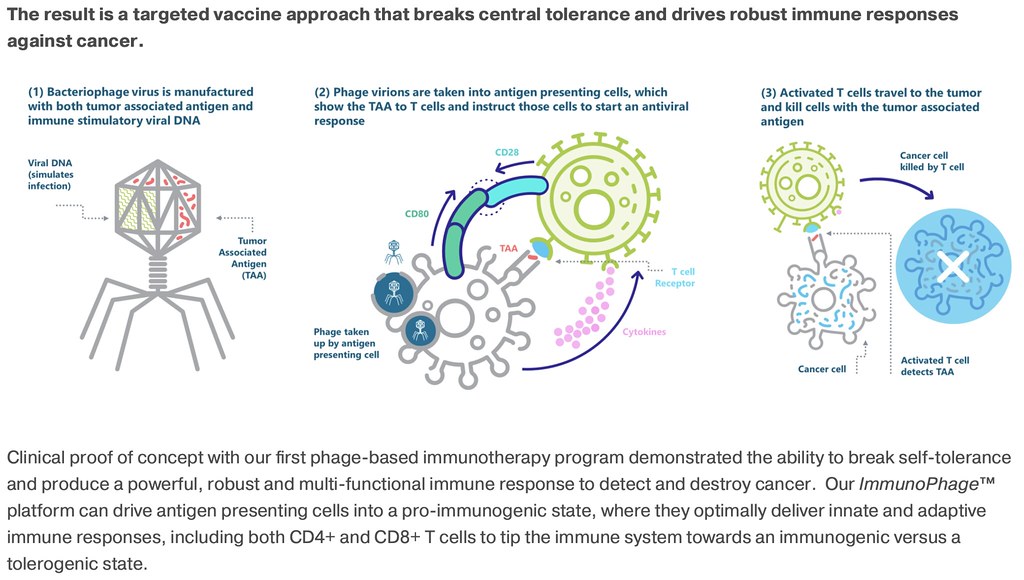
Cancer immunotherapy has emerged as a groundbreaking treatment option, offering new hope to patients battling various forms of cancer. This innovative approach harnesses the body’s own immune system to identify and attack cancer cells, significantly improving outcomes for many individuals. However, understanding the complexities of cancer immunotherapy also involves acknowledging the associated costs.
While the effectiveness of immunotherapy is often highlighted, the financial implications can be daunting. Patients may face a range of expenses, including:
- Drug costs: The price of immunotherapy drugs can be significantly higher than traditional treatments.
- Administration fees: Many immunotherapies require infusion at specialized centers, adding to the overall expense.
- Monitoring and follow-up: Regular visits and tests are necessary to assess treatment effectiveness and manage any side effects.
Moreover, insurance coverage for cancer immunotherapy can vary widely, leading to unexpected out-of-pocket expenses for patients. As the field of immunotherapy continues to advance, it is crucial for patients and families to consider both the potential benefits and the cancer immunotherapy costs, ensuring they have a comprehensive understanding of their treatment journey.
The Promise of Immunotherapy
Cancer immunotherapy has emerged as a groundbreaking treatment option, offering hope to many patients battling various forms of cancer. Unlike traditional therapies, immunotherapy harnesses the body’s own immune system to identify and destroy cancer cells. This innovative approach has shown remarkable success in treating diseases like melanoma, lung cancer, and leukemia, providing patients with new avenues for recovery.
One of the most compelling aspects of immunotherapy is its potential for long-lasting effects. Patients who respond well to these treatments can experience prolonged remission and improved quality of life. As research continues to advance, the promise of immunotherapy appears even more significant, spurring interest from both the medical community and pharmaceutical companies.
However, this promise comes with a considerable price tag. The costs associated with cancer immunotherapy can be daunting, often placing a heavy financial burden on patients and their families. Cancer immunotherapy costs can vary widely, depending on the type of treatment and the specific cancer being targeted. Some therapies are priced in the hundreds of thousands of dollars, making them inaccessible for many individuals seeking effective treatment.
Ultimately, while the potential benefits of immunotherapy are immense, it is crucial to consider both the clinical outcomes and the financial implications for those affected by cancer.
Evaluating Treatment Costs
Evaluating the costs associated with cancer immunotherapy is crucial for patients and healthcare systems alike. As innovative treatments emerge, understanding their financial implications becomes increasingly important.
One of the primary concerns regarding cancer immunotherapy is the significant price tag attached to these advanced treatments. Patients often find themselves facing high out-of-pocket expenses, which can vary widely based on several factors, including:
- Type of treatment: Different immunotherapy options, such as checkpoint inhibitors or CAR T-cell therapy, come with distinct costs.
- Duration of treatment: Some therapies require multiple sessions, increasing the overall financial burden.
- Insurance coverage: The extent of coverage provided by insurance companies can greatly affect how much patients end up paying.
In many instances, the costs of cancer immunotherapy can exceed those of traditional treatments, making it essential for patients to evaluate their financial resources and consider potential assistance programs. Additionally, healthcare providers must navigate these costs when recommending treatment plans, balancing the promise of immunotherapy with its financial reality.
Ultimately, a transparent discussion about cancer immunotherapy costs is vital to ensure that patients can make informed decisions regarding their treatment options.
Patient Experiences with Immunotherapy
Patients undergoing cancer immunotherapy often express a mix of hope and concern regarding their treatment journey. Many have reported significant improvements in their health, but the costs associated with immunotherapy can be daunting.
One patient, Sarah, shared her story of battling stage four melanoma. She noted, “The treatment worked wonders for me, but the financial burden was overwhelming. I had to make tough decisions about my finances.” Sarah, like many others, found herself navigating the complexities of insurance coverage and out-of-pocket expenses.
The rising cancer immunotherapy costs have led to concerns about accessibility. According to a recent survey, nearly 60% of patients reported financial stress due to their treatment expenses. Many are forced to choose between essential needs and effective medical care.
Another patient, John, highlighted the emotional toll of these decisions: “It’s hard to focus on healing when you’re constantly worried about how to pay for your next treatment.” Such experiences illustrate the urgent need for improved support systems and transparent pricing in cancer care.
As immunotherapy continues to evolve, ensuring it is both effective and affordable remains a critical challenge for healthcare providers and patients alike.
Future of Cancer Treatments
As the landscape of cancer treatment continues to evolve, the future of cancer therapies appears promising, particularly with advancements in cancer immunotherapy. Researchers and oncologists are increasingly optimistic about developing innovative treatments that harness the body’s immune system to combat cancer more effectively.
However, alongside these advancements, the cost of cancer immunotherapy remains a significant consideration for patients and healthcare providers alike. As new therapies emerge, understanding their financial implications becomes crucial. The expenses associated with these treatments can vary widely, influenced by factors such as the type of cancer, the specific immunotherapy used, and the individual patient’s response.
Looking ahead, it is essential to focus on several key areas:
- Research and Development: Continued investment in research will be necessary to bring down costs and improve accessibility.
- Insurance Coverage: Advocacy for broader coverage by insurance providers can alleviate some financial burdens for patients.
- Clinical Trials: Participation in clinical trials may offer patients access to cutting-edge treatments at reduced or no costs.
Ultimately, balancing the promise of effective cancer treatments with their costs will be pivotal in shaping the future of cancer care.
Expert Opinions on Immunotherapy
Experts in the field of oncology are increasingly vocal about the implications of cancer immunotherapy costs on both patients and healthcare systems. Dr. Emily Roberts, an oncologist at a leading research hospital, emphasizes that while immunotherapy has shown remarkable promise in treating various cancers, the financial burden it places on patients cannot be overlooked. “The high costs associated with these treatments often lead to difficult choices for patients and their families,” she states.
Another expert, Dr. Samuel Lee, a health economist, highlights the importance of understanding the long-term value of immunotherapy. “We need to consider not just the upfront costs, but also the potential for improved survival rates and quality of life,” he notes. He argues that a comprehensive evaluation of cancer immunotherapy costs should include both direct expenses and the overall impact on healthcare resources.
Patient advocate Maria Gonzalez shares her perspective, stating that many patients feel overwhelmed by the financial discussions surrounding their treatment options. “It’s crucial for healthcare providers to offer clear information about the costs and available support,” she insists. As the landscape of cancer treatment continues to evolve, the dialogue surrounding the costs of immunotherapy will play a pivotal role in shaping future policies and patient care strategies.
Cancer immunotherapy costs have been rising steadily, raising concerns about accessibility for patients. As research advances, understanding the true impact of cancer immunotherapy costs on healthcare systems will be crucial.
By jurvetson via Openverse




1 thought on “Cancer Immunotherapy Costs: The Real Price of Treatment”