British soldier blackmailed: The Worst Case of Ignoring Orders
British soldier blackmailed after ignoring orders to pull SIM card.
British soldier blackmailed after he ignored an order to pull his SIM card. This incident raises serious concerns about security and protocol adherence in the military.
What Happened to the Soldier?
In a troubling incident, a British soldier found himself at the center of a blackmail scheme after he ignored orders to remove his SIM card from his phone. The soldier, whose identity remains undisclosed, was stationed in a sensitive area where communication security is paramount. Despite clear instructions from his superiors, he chose to keep his SIM card, which ultimately led to dire consequences.
After disregarding the order, the soldier was targeted by individuals who obtained access to his personal information. The blackmailers threatened to release sensitive material unless he met their demands. This situation not only compromised his personal safety but also raised significant concerns regarding military protocol and the potential risks of ignoring orders.
The incident has sparked discussions within the military community about the importance of adhering to security measures. Experts emphasize that the soldier’s failure to comply with direct orders played a crucial role in escalating the situation. The repercussions of such actions can be severe, impacting not just the individual but also the broader operational integrity of military units.
As investigations continue, the soldier’s case serves as a stark reminder of the risks associated with neglecting directives, highlighting the serious implications of being blackmailed in a military context.
Details of the Blackmail
A British soldier found himself in a precarious situation after he was blackmailed, following his failure to comply with a direct order. The soldier, whose identity remains confidential, was instructed to remove his SIM card during a sensitive operation. Ignoring this order, he inadvertently put himself at risk of being targeted.
Details of the blackmail have emerged, revealing a complex web of deception and intimidation. The soldier received threatening messages from an unknown individual, demanding a substantial sum of money in exchange for not disclosing sensitive information that could compromise his position and safety. The situation escalated rapidly as the blackmailer exploited the soldier’s fear of repercussions.
- The blackmail involved demands for payment via untraceable methods.
- The soldier was threatened with exposure to his superiors and peers.
- Authorities were alerted after the soldier reported the incidents, leading to an investigation.
Military officials have emphasized the importance of adhering to orders, highlighting that ignoring directives can lead to dire consequences, not only for the individual but also for the broader mission. This incident serves as a cautionary tale for all personnel regarding the critical nature of following established protocols to ensure their safety and security.
Military Protocol on SIM Cards
In the wake of the incident involving a British soldier blackmailed, military officials are emphasizing the importance of adhering to established protocols regarding the handling of SIM cards. These protocols are designed to protect service members from potential threats and vulnerabilities that can arise from misuse.
The military has clear guidelines that mandate soldiers to:
- Immediately remove and secure SIM cards when not in use.
- Report any loss or suspicious activity related to their communication devices.
- Participate in regular training on cybersecurity and personal security measures.
Failure to comply with these directives can lead to serious consequences, not only for the individual soldier but also for the security of the unit and the broader military operations. In this particular case, the soldier’s decision to ignore orders regarding his SIM card ultimately placed him in a vulnerable position, leading to a malicious blackmail situation.
Military authorities stress that such breaches of protocol can have far-reaching implications, including the risk of sensitive information falling into the wrong hands. The incident serves as a stark reminder of the critical need for vigilance and adherence to military security measures at all times.
Consequences for Ignoring Orders
The situation for the British soldier who was blackmailed has escalated, shedding light on the serious consequences of ignoring military orders. When the soldier failed to pull his SIM card as instructed, he inadvertently exposed himself to vulnerabilities that ultimately led to the blackmail incident.
Military protocol is strict, and adherence to orders is paramount for maintaining operational security. The implications of ignoring these directives can be severe, not just for the individual involved, but also for their unit and the broader mission. In this case, the soldier’s disregard for the order has resulted in:
- Disciplinary Action: The soldier may face charges under military law for failure to comply with orders.
- Increased Risk: The breach of protocol has potentially compromised sensitive information, putting comrades at risk.
- Financial Consequences: Blackmail can lead to financial burdens, both in terms of the sums demanded and possible legal fees.
The fallout from this incident serves as a cautionary tale about the importance of following orders. The soldier’s actions have not only affected his own career but also brought attention to the need for vigilant adherence to military regulations to prevent similar situations in the future.
Public Reaction to the Incident
The incident involving a British soldier blackmailed has sparked significant public outcry and debate about military conduct and adherence to orders. Many citizens expressed their concerns over the implications of ignoring directives, particularly in high-stakes situations such as military operations.
Social media platforms have been abuzz with reactions, reflecting a mix of sympathy for the soldier and frustration towards the circumstances that led to the blackmail. Some users emphasized the importance of following orders, stating that “the integrity of the military relies on discipline.” Others argued that the soldier’s predicament highlights systemic issues within the military regarding the handling of sensitive information.
Public opinion is divided, with many questioning whether enough is being done to protect service members from potential threats associated with breaches of protocol. A number of commentators suggested that enhanced training on security measures could prevent similar incidents in the future.
In light of the situation, there are calls for accountability and improved support systems for soldiers facing harassment or blackmail. While some defend the soldier’s actions as a response to an overwhelming situation, others maintain that ignoring orders undermines the very foundation of military structure and operational effectiveness.
As the discussion continues, the community seeks clarity on how such incidents can be prevented, ensuring that service members are safeguarded against exploitation.
Lessons Learned from This Case
The case of the British soldier blackmailed serves as a stark reminder of the importance of adhering to military protocols and the potential consequences of negligence. Several key lessons can be drawn from this incident that may help prevent similar occurrences in the future.
- Adherence to Orders: It is crucial for military personnel to follow orders without exception. Ignoring commands, especially regarding security measures, can lead to dire consequences, both personally and for national safety.
- Enhanced Training: Regular training and drills should be implemented to reinforce the significance of following protocols, particularly those related to communication devices and information security.
- Awareness of Risks: Soldiers must be made aware of the potential threats posed by failing to comply with orders. Understanding the implications of their actions can foster a culture of responsibility and vigilance.
- Support Systems: Establishing a robust support system within the military can encourage personnel to report potential vulnerabilities without fear of retribution. This can play a pivotal role in mitigating risks associated with blackmail and other threats.
Ultimately, the incident involving the British soldier blackmailed highlights the need for continuous education and accountability in military practices to safeguard individuals and the integrity of the armed forces.
Expert Opinions on Military Security
Experts in military security have expressed deep concern over the recent incident involving a British soldier blackmailed after failing to follow crucial orders. According to military analysts, this case underscores significant vulnerabilities within military protocols regarding communication and personnel management.
Dr. Emily Carter, a defense policy expert, stated, “This incident highlights a severe lapse in adherence to established military protocols. The failure to pull the SIM card not only jeopardized the soldier’s safety but also put sensitive information at risk.”
Additionally, Colonel James Wright emphasized the importance of rigorous training. “Our forces must be trained to understand the ramifications of ignoring orders. The consequences in this case serve as a powerful reminder of the potential dangers faced by personnel in the field.”
Many military strategists argue that a comprehensive review of security measures is now imperative. General Sarah Thompson noted, “Addressing the vulnerabilities exposed by this incident will be essential in preventing future occurrences of blackmail or other security breaches.”
As military officials continue to analyze the situation, the consensus is clear: strict adherence to protocol is vital for the safety of soldiers and the integrity of military operations.
Future Implications for Soldiers
The incident involving the British soldier blackmailed has raised significant concerns regarding future implications for service members. As the military continues to adapt to modern threats, the adherence to established protocols becomes increasingly critical.
One potential implication is the heightened emphasis on training and education regarding security measures. Soldiers must be reminded of the importance of following orders, particularly those related to personal and operational security. The consequences of neglecting such directives can lead to severe repercussions, not only for the individual but also for the larger military community.
Additionally, this case may prompt a review of how the military handles communication devices. Ensuring that soldiers are equipped with secure technologies and understand the risks associated with personal devices could mitigate future incidents. The military may also consider implementing stricter penalties for those who disregard orders related to security protocols.
Moreover, the psychological impact of being blackmailed could affect the morale and mental health of service members. Support systems must be established to assist those who experience similar situations, fostering an environment where soldiers feel safe to report breaches without fear of stigma.
In conclusion, the repercussions of this incident extend beyond the individual soldier, highlighting the need for comprehensive strategies to protect all service members from potential threats.
The investigation revealed that the British soldier blackmailed had been coerced into making critical decisions that jeopardized his mission. As details emerged, it became clear that the circumstances surrounding the British soldier blackmailed were more complex than initially thought.
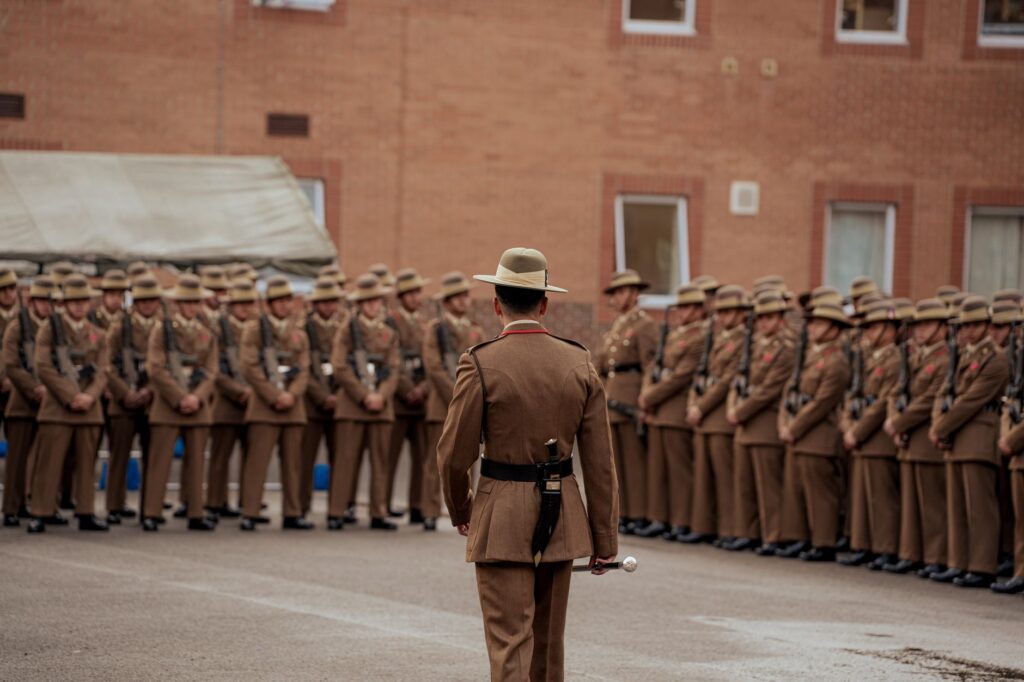
Photo by Mick Latter on Pexels