Bacteriophage Antibiotic Resistance: Proven Solution to Fight Back
Bacteriophage antibiotic resistance is a promising solution for combating the growing threat of antibiotic-resistant bacteria.
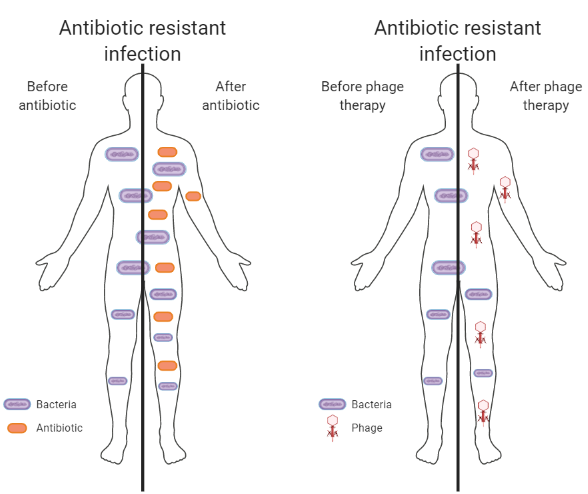
Bacteriophage antibiotic resistance is emerging as a groundbreaking approach in the fight against antibiotic-resistant infections. Researchers are exploring how bacteriophages can effectively target and eliminate harmful bacteria.
Understanding Bacteriophages
Bacteriophages, often referred to simply as phages, are viruses that specifically target and infect bacteria. These microscopic entities are abundant in the environment, residing in soil, water, and even within the human body. Unlike traditional antibiotics that can affect a broad range of bacteria, bacteriophages offer a more targeted approach to combating bacterial infections. This specificity makes them a promising tool in addressing the challenge of antibiotic resistance.
One of the remarkable features of bacteriophages is their ability to replicate within their bacterial hosts. Once a bacteriophage attaches to a susceptible bacterium, it injects its genetic material, hijacking the bacterial machinery to produce new phage particles. As a result, the bacterium eventually lyses, releasing new phages that can go on to infect other bacteria. This cycle not only reduces the bacterial population but also minimizes the risk of collateral damage to beneficial microorganisms.
Research into the use of bacteriophages as a solution to antibiotic resistance has gained momentum in recent years. Scientists are exploring various applications, including phage therapy, where specific phages are administered to patients to target resistant bacterial infections. This innovative approach represents a potential breakthrough in the ongoing battle against bacteriophage antibiotic resistance, offering hope for effective treatments where traditional antibiotics have failed.
The Rise of Antibiotic Resistance
The issue of antibiotic resistance has become a pressing concern for healthcare systems worldwide. As bacteria evolve, they develop mechanisms to evade the effects of antibiotics, leading to treatment failures and increased mortality rates. This phenomenon is largely driven by the overuse and misuse of antibiotics in both humans and livestock, creating a perfect environment for resistant strains to flourish.
According to the World Health Organization, the rise of antibiotic-resistant infections could result in millions of deaths globally if effective solutions are not implemented. The growing prevalence of these resistant bacteria poses significant challenges not only in treating common infections but also in performing routine surgeries and managing chronic diseases.
In response to this alarming trend, researchers are exploring alternative methods to combat bacterial infections. One promising avenue is the use of bacteriophages—viruses that specifically target and kill bacteria. Bacteriophage therapy has shown potential in treating infections caused by antibiotic-resistant bacteria, presenting a viable solution in the fight against antibiotic resistance.
With their ability to adapt and evolve alongside bacteria, bacteriophages may offer a unique approach to overcoming the limitations of traditional antibiotics. As studies continue to unveil their capabilities, the role of bacteriophages in addressing the crisis of antibiotic resistance appears increasingly vital.
How Bacteriophages Work
Bacteriophages, commonly referred to as phages, are viruses that specifically target and infect bacteria. This unique ability makes them a promising tool in the battle against antibiotic resistance. Unlike traditional antibiotics that can affect a wide range of bacteria, bacteriophages are highly specific, attacking only the harmful bacteria while leaving beneficial ones unharmed.
The mechanism by which bacteriophages operate involves several key steps:
- Attachment: Phages identify and attach themselves to specific bacterial cells using proteins that match receptors on the bacteria’s surface.
- Injection: Once attached, the phage injects its genetic material into the bacterial cell, hijacking the bacterial machinery to replicate itself.
- Replication: The bacterial cell becomes a factory, producing numerous new phage particles until it ultimately bursts, releasing the newly formed phages to infect other bacteria.
- Targeting Resistance: This cycle continues, effectively reducing the population of antibiotic-resistant bacteria in the process.
Research has shown that bacteriophages can be tailored to target specific strains of bacteria, making them a versatile option for treating infections that have become resistant to conventional antibiotics. As the world grapples with rising antibiotic resistance, bacteriophage therapy offers a hopeful solution to combat these challenging pathogens.
Research Findings on Phage Therapy
Recent studies have illuminated the potential of phage therapy as a viable solution in combating antibiotic resistance. Researchers have found that bacteriophages, which are viruses that specifically target bacteria, can effectively reduce bacterial populations that have developed resistance to conventional antibiotics.
In a groundbreaking study published in a leading microbiology journal, scientists demonstrated the efficacy of phage therapy in treating infections caused by multidrug-resistant strains of Escherichia coli. The results showed a significant decrease in bacterial counts when phages were administered, suggesting a promising alternative to traditional antibiotics.
Additionally, the research highlighted several key findings:
- Target Specificity: Bacteriophages have a natural ability to target specific bacterial strains, minimizing the impact on beneficial bacteria.
- Rapid Action: Phages can multiply quickly at the site of infection, providing a sustained response against resistant bacteria.
- Synergistic Effects: Combining phage therapy with antibiotics can enhance the effectiveness of treatment, even against resistant strains.
These findings suggest that bacteriophage antibiotic resistance could be effectively managed through targeted phage therapy, offering hope for patients facing limited options due to resistant infections. As researchers continue to explore this innovative approach, there is optimism that phage therapy may pave the way for new treatments in the fight against antibiotic-resistant pathogens.
Future Implications for Healthcare
As the world grapples with the growing crisis of antibiotic resistance, the future implications for healthcare are becoming increasingly significant. The integration of bacteriophage therapy into standard medical practices presents a promising avenue for addressing this pressing challenge. With antibiotic resistance on the rise, healthcare professionals are seeking innovative solutions that can complement or even replace traditional antibiotics.
Experts believe that bacteriophage therapy can be a game changer for treating infections caused by resistant bacteria. This approach not only targets specific pathogens but also minimizes the impact on beneficial microbiota, which is a common side effect of conventional antibiotics. As research continues to unveil the potential of bacteriophages, several key areas of focus are emerging:
- Personalized Medicine: Tailoring bacteriophage treatments to individual patients could enhance efficacy and reduce side effects.
- Combination Therapies: Using bacteriophages alongside antibiotics may help overcome resistance mechanisms.
- Global Health Initiatives: Collaboration on a global scale is essential to share knowledge and resources in the fight against antibiotic resistance.
In conclusion, the exploration of bacteriophage antibiotic resistance solutions could reshape therapeutic strategies and improve patient outcomes. As healthcare systems adapt to these advancements, the potential for a healthier future looks more promising than ever.
Recent studies have shown that bacteriophage antibiotic resistance can be effectively mitigated through targeted phage therapy. This innovative approach not only addresses the issue of bacteriophage antibiotic resistance but also offers a promising alternative to traditional antibiotics.
By BQUB19-IKappler via Openverse
References
You might also like
WHO Prequalification Programme: Is It the Best for Medical Devices? · Soft Inflation Impact: Clear Effects on Fed Rate Hikes · Delhi petrol CNG restrictions: Worst pollution curbs revealed

1 thought on “Bacteriophage Antibiotic Resistance: Proven Solution to Fight Back”