Red-eyed sea spiders: The amazing new species discovered
Red-eyed sea spiders are the latest fascinating discovery in marine biology, showcasing unique features and adaptations.
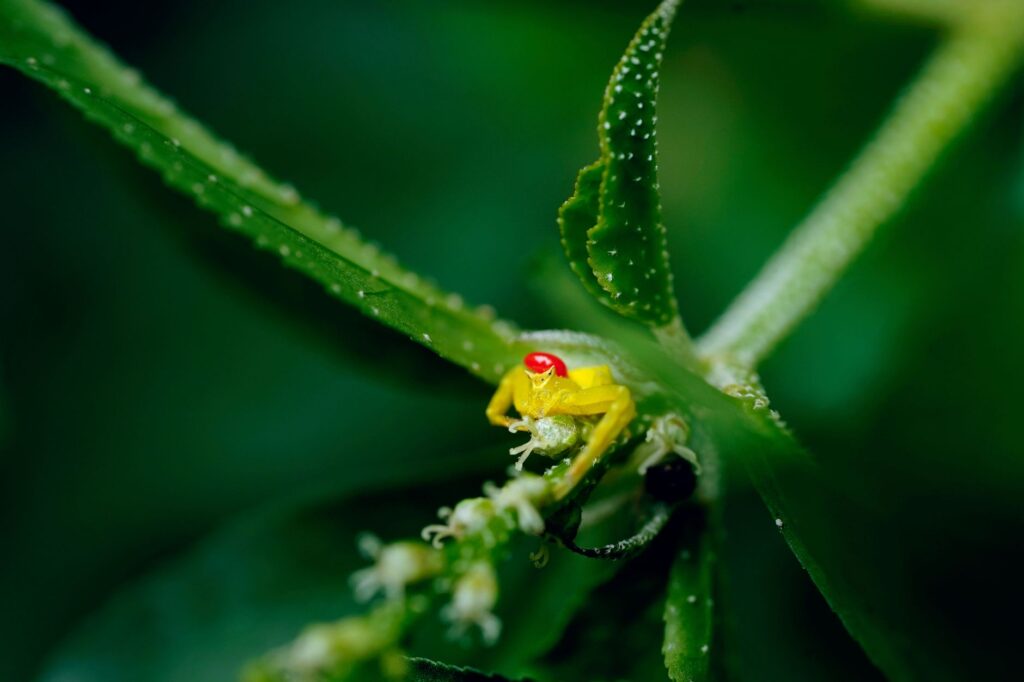
red-eyed sea spiders have recently been identified as a remarkable new species in marine science. These intriguing creatures, with their striking appearance, are capturing the attention of researchers and enthusiasts alike.
What are red-eyed sea spiders?
Red-eyed sea spiders are a remarkable class of marine arthropods that have recently garnered attention due to their unique appearance and ecological significance. These creatures, belonging to the group known as Pycnogonida, are characterized by their elongated bodies and long legs, which can sometimes be several times the length of their body. The most striking feature of the red-eyed sea spiders is, as their name suggests, their vibrant red eyes, which stand out against their often hairy legs.
Found in deep oceanic waters, red-eyed sea spiders play a crucial role in their ecosystem as both predators and prey. They primarily feed on soft-bodied invertebrates, using their specialized mouthparts to extract nutrients. Their presence in marine habitats indicates a healthy ecosystem, relying on the balance of various species.
Despite their fascinating biology, much about red-eyed sea spiders remains a mystery. Researchers are keen to study these species further, hoping to uncover more about their behavior, reproduction, and role in the marine food web. The discovery of new species within this group highlights the importance of marine exploration and conservation efforts.
The discovery process of new species
In an exciting development for marine biology, researchers have unveiled a new species of red-eyed sea spiders, sparking interest in the biodiversity of our oceans. The discovery process began with an extensive exploration of deep-sea habitats, where scientists utilized advanced underwater technology to capture images and collect specimens.
During a recent expedition, the team employed remotely operated vehicles (ROVs) to navigate the challenging underwater terrain. This innovative approach allowed them to observe the unique behavior and characteristics of these creatures in their natural environment. After careful examination, researchers noticed distinct features in the red-eyed sea spiders that set them apart from other known species.
The specimens were brought back to the laboratory for further analysis, where genetic sequencing confirmed their status as a new species. The findings highlight the importance of marine conservation efforts, as many deep-sea habitats remain unexplored. The research team is now working on a comprehensive study to better understand the ecological role of red-eyed sea spiders and their significance in the marine ecosystem.
Ultimately, this discovery not only adds to our knowledge of marine life but also emphasizes the need for continued exploration and protection of oceanic environments.
Unique features of sea spiders
The red-eyed sea spiders display several unique features that set them apart from other marine arthropods. These fascinating creatures are characterized by their striking red eyes, which provide a stark contrast to their often dark, hairy bodies. The presence of these vivid eyes not only aids in their navigation through murky waters but also plays a role in their mating rituals.
One of the most notable aspects of these sea spiders is their size. Some individuals can grow up to 10 centimeters in diameter, making them one of the larger species within their family. Additionally, they possess long, spindly legs that can reach up to 30 centimeters in length, allowing them to traverse the ocean floor with ease.
Another unique feature is their feeding mechanism. Red-eyed sea spiders have specialized mouthparts that enable them to consume soft-bodied prey, such as sea anemones and small mollusks. This adaptation allows them to thrive in their specific ecological niche.
Overall, the combination of their physical attributes and behavioral adaptations makes red-eyed sea spiders a remarkable addition to the biodiversity of our oceans.
Importance of marine biodiversity
Marine biodiversity plays a crucial role in maintaining the health of ocean ecosystems. It provides essential services such as nutrient cycling, carbon storage, and habitat formation, which are vital for both marine life and human populations. The discovery of new species like the red-eyed sea spiders highlights the importance of exploring and conserving our oceans. These unique creatures contribute to the intricate web of life beneath the waves.
A diverse marine environment is more resilient to changes, including climate change and pollution. Each species, including the recently identified red-eyed sea spiders, has its own role in the ecosystem, from predation to scavenging, helping to maintain balance. Unfortunately, threats such as overfishing and habitat destruction continue to jeopardize marine biodiversity, making conservation efforts imperative.
Protecting these ecosystems not only preserves the species that inhabit them but also supports human livelihoods dependent on healthy oceans. As scientists continue to uncover new species, they emphasize the need to appreciate and protect marine biodiversity, ensuring that wonders like the red-eyed sea spiders can thrive in their natural habitats for generations to come.
How sea spiders adapt to their environment
Red-eyed sea spiders have captivated scientists with their remarkable ability to adapt to various marine environments. These unique creatures exhibit several adaptations that enhance their survival in the cold, dark depths of the ocean.
One significant adaptation is their body structure, which allows them to efficiently navigate through the complex underwater terrain. Their long legs provide stability and enable them to cover substantial distances while foraging for food. Additionally, their lightweight exoskeleton reduces energy expenditure as they move through the water.
Moreover, red-eyed sea spiders possess specialized sensory organs that help them detect changes in their surroundings. This heightened sensitivity allows them to avoid predators and identify prey, ensuring their survival in a competitive ecosystem.
Another fascinating adaptation is their ability to tolerate extreme pressures found in deep-sea habitats. This resilience is crucial for their existence, as many marine creatures cannot thrive under such conditions.
Overall, the adaptations of red-eyed sea spiders not only reflect their evolutionary journey but also highlight the incredible diversity of life forms that inhabit our oceans. Understanding these adaptations is vital for conserving marine biodiversity and protecting these unique species.
Research implications of this discovery
The discovery of the red-eyed sea spiders has significant implications for our understanding of marine ecosystems. These intriguing creatures shed light on the complexities of biodiversity in deep-sea environments, which remain largely unexplored. Researchers are particularly excited about how this finding can influence future studies.
Firstly, the red-eyed sea spiders may serve as indicators of ecological health, helping scientists assess the impact of climate change and human activity on marine habitats. As they inhabit specific niches, their presence or absence could offer insights into the overall state of the ecosystem.
Additionally, studying the unique adaptations of red-eyed sea spiders could lead to breakthroughs in various fields, including biotechnology and medicine. The structural properties of their exoskeletons and the biochemical processes they employ may inspire innovative materials and therapies.
Finally, this discovery underscores the importance of conserving marine biodiversity. It highlights that even in well-studied areas, new species can emerge, emphasizing the need for continued exploration and protection of our oceans. Overall, the red-eyed sea spiders not only enrich our knowledge but also remind us of the mysteries that still lie beneath the waves.
Future studies on sea spiders
Future studies on sea spiders promise to unveil further secrets about these remarkable creatures, particularly the recently discovered red-eyed sea spiders. Researchers aim to explore their ecological roles within marine ecosystems and assess their interactions with other species. Understanding these dynamics is crucial, especially in light of changing ocean conditions.
One major area of focus will be the evolutionary adaptations that allow red-eyed sea spiders to thrive in various environments. Investigating their genetic makeup could provide insights into their resilience against climate change and habitat alteration. Moreover, researchers plan to study their reproductive behaviors and life cycles to better understand population dynamics.
Additionally, field studies will be essential to observe these sea spiders in their natural habitats. This will help determine how they respond to environmental stressors and compete for resources. Collaborative efforts among marine biologists, ecologists, and oceanographers will be vital to paint a comprehensive picture of the red-eyed sea spiders and their significance in marine biodiversity.
Ultimately, the findings from these future studies could contribute to conservation strategies aimed at protecting not only the red-eyed sea spiders but also the broader marine ecosystems they inhabit.
Public interest in marine discoveries
The recent discovery of the red-eyed sea spiders has sparked significant public interest in marine discoveries. As scientists unveil new species, the excitement surrounding these findings captivates both enthusiasts and casual observers alike. The vibrant colors and unique characteristics of these creatures have led to a surge in curiosity about the ocean’s depths and the myriad of life forms that inhabit it.
Social media platforms are abuzz with images and information about the red-eyed sea spiders, highlighting their unusual appearance and ecological importance. This newfound fascination encourages more people to engage with marine biology and conservation efforts. Schools and educational programs are seizing the opportunity to teach students about the significance of marine ecosystems and the role that lesser-known species play in maintaining biodiversity.
Moreover, as public awareness grows, so does the demand for sustainable practices to protect these remarkable creatures and their habitats. Many marine conservation organizations are leveraging this interest to promote initiatives aimed at preserving ocean health, ensuring that discoveries like the red-eyed sea spiders can be celebrated for generations to come.
Photo by Ankit Rainloure on Pexels

1 thought on “Red-eyed sea spiders: The amazing new species discovered”