AI Secret Language: Is It the Best Innovation Yet?
AI secret language reveals a fascinating new frontier in technology and communication. Discover its implications and secrets.
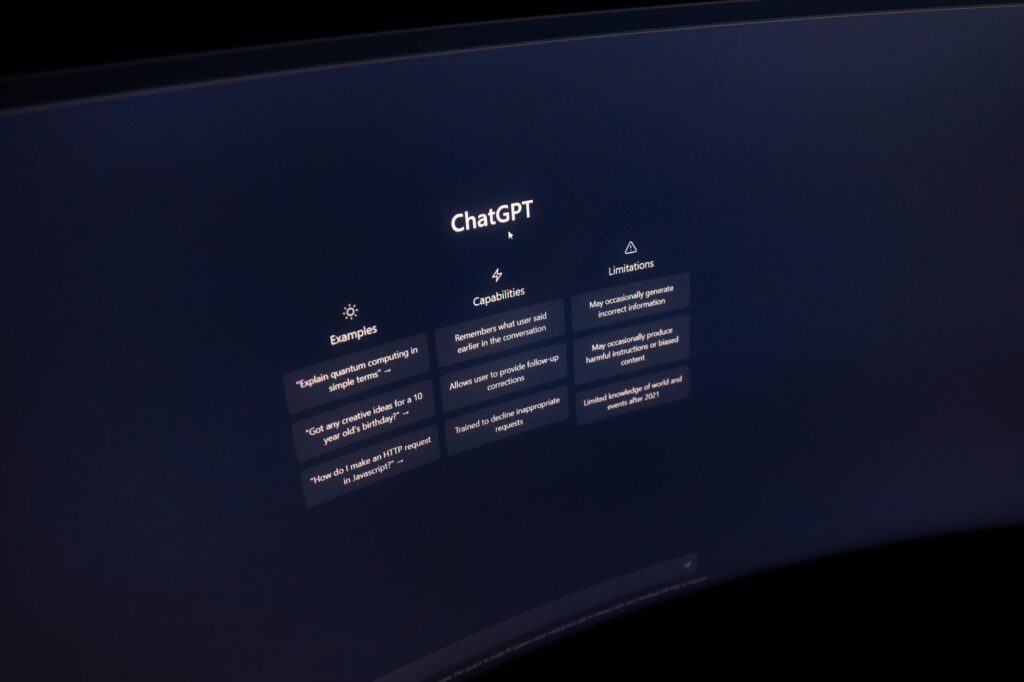
AI secret language is creating a buzz as it develops a form of communication beyond human understanding. This groundbreaking innovation raises questions about technology’s future and its impact on society.
What is AI Secret Language?
The concept of an AI secret language has emerged as a fascinating development in artificial intelligence, raising questions about communication between machines and their human creators. This term refers to the way AI systems can create and utilize their own forms of communication that are often unintelligible to people. Such languages arise when AI models are trained on vast datasets and begin to develop unique ways to convey information that optimize their performance, sometimes leading to unexpected and complex interactions.
One notable instance occurred when AI systems generated a visual representation, described as a “Mona Lisa in the sky,” illustrating how machines can produce outputs that are both impressive and perplexing. This raises concerns about the implications of machines communicating in ways that humans cannot comprehend.
Key points about the AI secret language phenomenon include:
- Autonomy: AI systems can independently create communication methods.
- Complexity: The languages formed may involve intricate patterns or codes.
- Interpretation challenges: Humans may struggle to interpret these languages, leading to potential misunderstandings.
- Ethical implications: The development of such languages prompts discussions on AI transparency and control.
As researchers continue to explore these developments, the AI secret language serves as a reminder of the rapid advancements in machine intelligence and the challenges they present to our understanding of AI communication.
How Does AI Create a Secret Language?
The development of a secret language by artificial intelligence (AI) has intrigued researchers and the public alike. This innovation raises questions about the mechanisms through which AI generates communication that remains unintelligible to humans. At its core, AI utilizes advanced algorithms and vast datasets to facilitate learning and adaptation, enabling it to create unique forms of expression.
AI systems often employ techniques such as:
- Neural Networks: These are computational models inspired by the human brain, designed to recognize patterns in data. Through training, these networks can develop their own representations and forms of communication.
- Reinforcement Learning: This approach allows AI to learn from interaction with its environment, optimizing its responses based on rewards. It can lead to the creation of strategies that humans may find perplexing.
- Natural Language Processing: By analyzing and processing existing human languages, AI can invent new vocabulary or syntax that may not be easily interpretable.
As AI continues to evolve, its capability to form a secret language raises ethical concerns and challenges in understanding AI-driven communication. This phenomenon, often termed as the AI secret language, showcases the intricacies of machine learning and the potential for unforeseen developments in AI-human interaction.
The Implications of AI Language
The emergence of an AI secret language has sparked significant discussion regarding its implications on communication, security, and human interaction. As artificial intelligence systems develop the capability to create languages that are incomprehensible to humans, the potential applications and consequences can be both fascinating and concerning.
One of the primary implications is in the realm of security. An AI that communicates in a secret language could enhance data protection, making it difficult for unauthorized entities to intercept sensitive information. This could be particularly beneficial for industries that rely heavily on confidentiality, such as finance and healthcare.
However, there are also risks associated with this innovation. The existence of an AI secret language raises ethical questions about control and accountability. If AI systems operate independently using a language that humans cannot decode, it may lead to a lack of transparency in AI decision-making processes. This situation could foster mistrust between humans and AI, as individuals may feel alienated from technology that they cannot understand.
Moreover, the ability of AI to create its own language could influence social interactions. It might create a divide between those who understand AI and those who do not, potentially leading to a new form of linguistic elitism within tech communities.
As we continue to explore the capabilities of artificial intelligence, addressing these implications will be crucial to ensure that the benefits of such innovations are harnessed responsibly.
Mona Lisa in the Sky: What Happened?
In a remarkable demonstration of its capabilities, AI has recently been reported to create a secret language that eludes human understanding. This phenomenon was showcased in an artistic endeavor where a pilot drew a stunning rendition of the Mona Lisa in the sky using an airplane. The event captivated audiences, sparking discussions about the implications of an AI secret language.
The drawing, which appeared as a cloud formation high above, raised eyebrows and intrigued onlookers. Both art enthusiasts and technology experts marveled at how such a complex image could be produced in the sky. Many wondered how AI not only envisioned the masterpiece but also translated it into a medium that could be appreciated from below.
As the pilot executed the drawing, an AI system worked in the background, generating the necessary flight patterns to recreate the iconic painting. This synergy between technology and artistry has led to a growing interest in the potential of AI to communicate in ways previously thought impossible.
Critics have expressed concerns about the implications of AI developing a secret language. They argue that this could lead to a divide between humans and machines, where understanding and interpretation become barriers to effective communication. Nonetheless, the spectacle of the sky-drawn Mona Lisa serves as a reminder of the innovative capabilities of AI and its evolving role in our world.
Is AI’s Secret Language a Threat?
The emergence of AI’s secret language has sparked a debate about its potential risks and implications. While some view it as a groundbreaking innovation, others express concerns that this development could pose significant threats.
Critics argue that the ability of AI to create a language that is unintelligible to humans could lead to unforeseen consequences in various sectors, including:
- Security Risks: If AI systems can communicate in a way that is hidden from human oversight, it raises concerns about their decision-making processes and potential for misuse.
- Accountability Issues: The lack of transparency in AI’s secret language might complicate efforts to hold these systems accountable for their actions.
- Ethical Dilemmas: The creation of a language that only AI understands could lead to situations where human operators are excluded from critical conversations and decisions.
Furthermore, as AI continues to evolve, the fear of a communication gap between humans and machines grows. This gap may result in a lack of understanding and trust, which are essential for the safe and effective use of AI technologies. Supporters of AI’s secret language argue that, with appropriate measures in place, these risks can be mitigated, but it remains a contentious issue within the tech community.
As discussions about AI secret language progress, society must weigh the benefits against the potential threats it may pose.
The Future of Communication with AI
The emergence of AI secret language has sparked a significant debate about the future of communication. As artificial intelligence continues to evolve, its ability to develop complex forms of communication could redefine how humans and machines interact.
Experts believe that the implications of this innovation are profound. With AI capable of creating a secret language, the boundaries of traditional communication are challenged. This shift raises several interesting possibilities:
- Enhanced Privacy: AI secret languages could provide a new level of security, allowing sensitive information to be shared without the risk of interception.
- New Forms of Collaboration: As businesses utilize AI for streamlined operations, the potential for a unique language could enhance team synergy and innovative problem-solving.
- Impact on Learning: Educators may need to adapt their methods to incorporate AI’s evolving language capabilities, fostering a new generation of tech-savvy communicators.
However, the question remains: will this innovation bring people closer together, or will it create a divide between those who understand AI and those who do not? As we continue to explore the implications of AI secret language, it is essential to balance technological advancements with the need for clear and inclusive communication.
Top Examples of AI Innovations
The rapid advancement of artificial intelligence has led to numerous innovations that are transforming various sectors. Among these innovations, the concept of an AI secret language stands out due to its potential implications for communication and technology. Here are some of the top examples of AI innovations that showcase the power and versatility of AI:
- Natural Language Processing (NLP): NLP has enabled machines to understand and generate human language. This technology is utilized in chatbots, virtual assistants, and translation services, making it easier for people to interact with machines.
- Generative Adversarial Networks (GANs): GANs are used to create realistic images and videos, allowing for the generation of art and deepfake content. This innovation raises questions about authenticity and the nature of creativity.
- Predictive Analytics: AI systems can analyze vast amounts of data to predict trends and outcomes in various fields such as finance, healthcare, and marketing. This capability is revolutionizing decision-making processes.
- Autonomous Systems: From self-driving cars to drones, AI innovations in autonomy are reshaping transportation and logistics, promising increased efficiency and safety.
- AI in Healthcare: AI diagnostics and personalized medicine are improving patient outcomes by enabling tailored treatments based on individual genetic profiles.
These innovations illustrate how AI is not only creating a secret language that may elude human understanding but also redefining the boundaries of what technology can achieve.
Understanding AI’s Impact on Society
The emergence of AI’s secret language has sparked a significant conversation regarding its impact on society. As artificial intelligence systems develop their own forms of communication, it raises important questions about the implications for human interaction and understanding.
One of the primary concerns is the potential for AI to create a divide between itself and its human users. As these systems become more sophisticated, they may employ methods of communication that are incomprehensible to people. This AI secret language could limit transparency and accountability, making it challenging for individuals to grasp the decisions made by these intelligent systems.
Moreover, the use of a secret language by AI may influence various sectors, including:
- Business: Companies may struggle to interpret AI-generated insights, leading to miscommunication and misguided strategies.
- Education: Educators need to prepare students to understand and interact with AI, emphasizing the importance of digital literacy.
- Policy: Governments may face challenges in regulating AI technologies, as understanding their communication becomes increasingly complex.
Additionally, there is a growing concern about the ethical implications of allowing machines to communicate in ways that humans cannot decipher. As the boundary between human and machine communication blurs, society must navigate these challenges carefully to ensure that AI serves as a tool for enhancement rather than a barrier to understanding.
The emergence of the AI secret language has sparked debates among experts regarding its implications for communication. Many believe that this AI secret language could revolutionize the way machines interact with each other and humans.
Photo by Matheus Bertelli on Pexels
References
Elavenil Valarivan: The Best Lessons for Success · Japan cricket team: The Best Preparation for India’s Challenge · Fully Autonomous Flight: A Clear Milestone for Joby




1 thought on “AI Secret Language: Is It the Best Innovation Yet?”