Are Big Power Politics the Worst Threat to Open Trade?
Big power politics are overshadowing discussions on open trade and AI at APEC. What does this mean for global commerce?
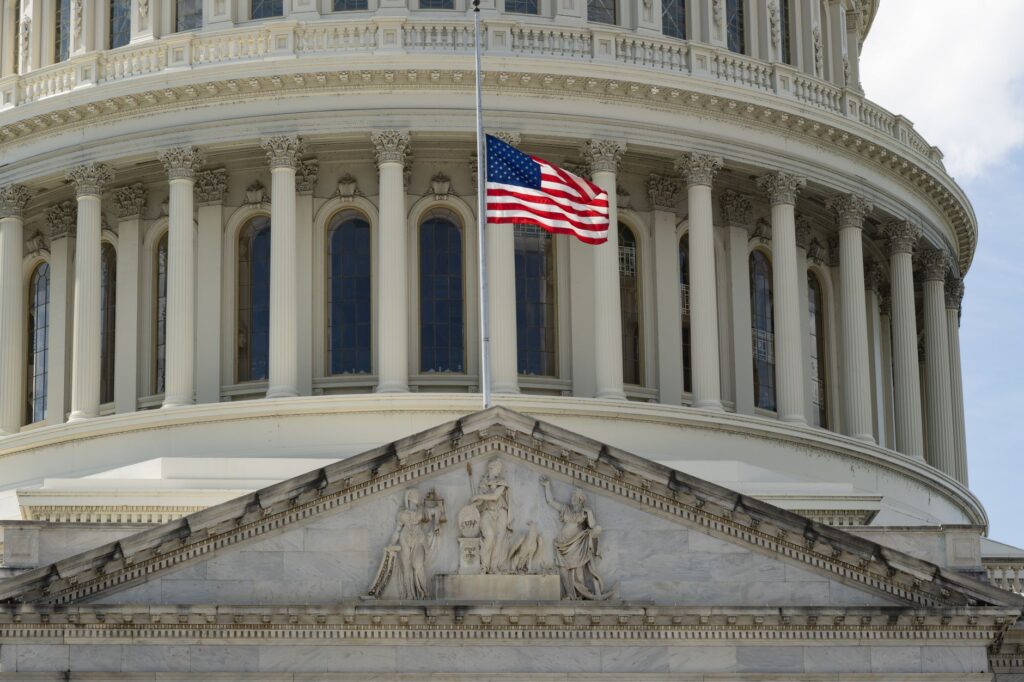
big power politics are becoming a major focus at APEC, overshadowing vital discussions on open trade and AI. This shift raises concerns about the future of international cooperation.
Understanding APEC’s Role in Global Trade
The Asia-Pacific Economic Cooperation (APEC) plays a crucial role in shaping global trade dynamics. Established to promote free trade and economic cooperation among its 21 member economies, APEC aims to enhance regional prosperity through collaboration. However, the rise of big power politics has increasingly overshadowed these discussions, complicating efforts to maintain an open trading environment.
APEC’s platform is essential for dialogue among major economies, fostering a space where trade policies can be discussed and negotiated. Nonetheless, the influence of geopolitical tensions often leads to prioritizing national interests over collective goals.
Participants in APEC must navigate the complexities imposed by big power politics, which can hinder progress in trade liberalization. Key areas of focus within APEC include:
- Strengthening regional supply chains
- Enhancing economic resilience
- Promoting sustainable trade practices
The Impact of Big Power Politics on Trade
The landscape of global trade is increasingly influenced by the dynamics of big power politics, which have profound implications for international commerce. As nations engage in strategic maneuvering to enhance their geopolitical standing, the principles of open trade often become secondary. This shift can lead to:
- Increased tariffs: Countries may impose higher tariffs to protect domestic industries, undermining free trade agreements.
- Trade wars: Escalating tensions can result in retaliatory measures, disrupting established supply chains.
- Reduced collaboration: As big power politics dominate, multilateral discussions on trade may suffer, leading to a fragmented trading environment.
Furthermore, the emphasis on national interests over collective benefits can stifle innovation and economic growth. In essence, the rise of big power politics threatens to unravel the foundations of open trade, complicating efforts to achieve a balanced and cooperative global economy.
AI Discussions at APEC: What You Need to Know
As APEC convenes, discussions on artificial intelligence (AI) have taken center stage, overshadowing the critical issue of open trade. The intersection of big power politics and technological advancement is shaping the agenda, with leaders weighing the implications of AI on global markets.
Key points from the discussions include:
- The role of AI in enhancing trade efficiency – Leaders are examining how AI technologies can streamline supply chains and reduce operational costs.
- Regulatory frameworks – There is an ongoing debate about the need for international standards to govern AI applications in trade.
- Geopolitical tensions – The influence of big power politics may hinder collaborative efforts, as nations prioritize their strategic interests over collective benefits.
As these discussions unfold, the future of open trade remains uncertain amidst rising political tensions.
Historical Context of APEC and Trade
The Asia-Pacific Economic Cooperation (APEC) was established in 1989 with the goal of promoting free trade and economic cooperation among its member economies. Over the years, APEC has facilitated discussions that have shaped global trade policies, but the emergence of big power politics has significantly altered its dynamics.
Initially, APEC focused on reducing trade barriers and increasing economic integration. However, in recent years, the influence of major powers like the United States and China has shifted the focus towards geopolitical competition. This has led to a complex environment where trade discussions are often overshadowed by strategic rivalries.
This shift raises concerns about the future of open trade, as APEC struggles to maintain its original objectives in the face of big power politics. As tensions escalate, member economies must navigate these challenges to foster a cooperative trade environment.
Future Implications for Global Commerce
The future of global commerce appears increasingly uncertain as big power politics continue to shape trade dynamics. The ongoing tensions between major economies are likely to influence trade agreements and partnerships, raising concerns about the stability of open trade practices.
Several implications may arise from this evolving landscape:
- Increased Protectionism: Nations may prioritize domestic industries over international collaboration, leading to a rise in tariffs and trade barriers.
- Shifts in Alliances: Countries could realign their trade partnerships based on geopolitical interests rather than economic benefits.
- Innovation Stifling: As governments focus on national security, collaborative efforts in technology and AI may be hindered.
- Market Volatility: The unpredictability of big power politics can lead to fluctuations in global markets, affecting investment strategies.
Ultimately, the repercussions of these political maneuvers could stifle the progress made in fostering open trade and cooperation.
Key Players in Big Power Politics
The landscape of big power politics is primarily shaped by several key players, each wielding significant influence over global trade dynamics. The United States stands at the forefront, often leveraging its economic might to shape international norms and agreements. China has emerged as a formidable counterpart, asserting its presence through initiatives like the Belt and Road Initiative, which aims to expand its trade networks.
Other notable actors include the European Union, which seeks to maintain a unified economic front, and Russia, whose political maneuvering often complicates trade relationships. Emerging economies such as India and Brazil are also gaining traction, seeking to assert their interests in the face of big power politics.
These nations collectively navigate a complex web of alliances and tensions, highlighting how big power politics can overshadow the pursuit of open trade.
Navigating the Challenges Ahead
Navigating the challenges ahead requires a nuanced understanding of how big power politics shape the landscape of global trade. As nations increasingly prioritize their strategic interests, the implications for open trade become more pronounced. The interplay between economic policies and geopolitical tensions creates a complex environment that businesses must navigate.
Key challenges include:
- Protectionist Measures: Rising tariffs and trade barriers threaten free trade agreements.
- Geopolitical Rivalries: Tensions between major powers can disrupt supply chains and trade routes.
- Technological Competition: The race for technological supremacy influences trade relations and partnerships.
As APEC discussions unfold, stakeholders must consider how to address these issues while fostering an environment conducive to open trade. The future of commerce hinges on balancing national interests with the collective goal of economic cooperation.
Photo by David Dibert on Pexels
Read the original
Related stories
GTA VI India: Is This the Best Upgrade for Gamers? · Nvidia earnings news: Worst results fail to calm investors · Senator Bill Cassidy: Is He the Right Choice for Science Agency?


1 thought on “Are Big Power Politics the Worst Threat to Open Trade?”