Trump D.C. Golf Course Blocked: A Clear Win for Preservation
Trump D.C. golf course faces temporary block by federal judge, preserving its historic status for now.
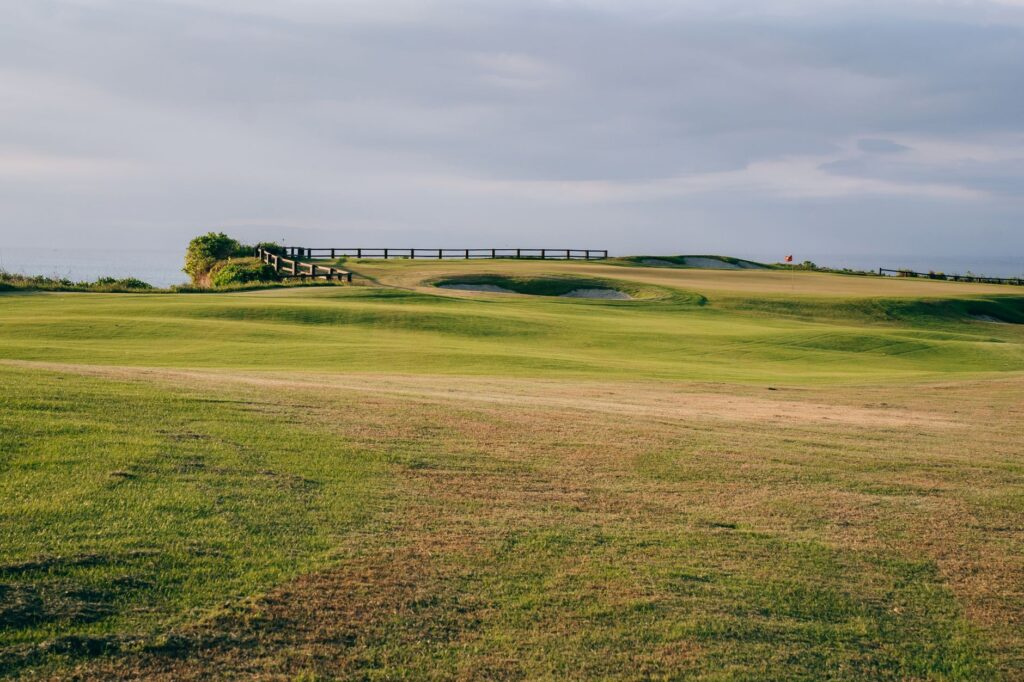
The Trump D.C. golf course is currently facing a temporary block from closure, as a federal judge intervenes to preserve its historic significance. This decision has sparked discussions about the future of the property.
Background on the Trump D.C. Golf Course
The Trump D.C. golf course, located in the heart of the nation’s capital, has been a topic of heated debate since its inception. This public golf course, initially opened in 2016, has attracted both avid golfers and preservationists concerned about its impact on the surrounding environment.
In recent months, the course faced potential closure as former President Donald Trump sought to make changes that would limit public access. However, a federal judge intervened, blocking efforts to close the historic D.C. golf course, citing the importance of maintaining public green spaces in urban areas.
Supporters of the golf course argue that it serves as a vital recreational area for residents and visitors alike, while opponents have raised concerns over the ecological implications of such developments. The court’s decision has been hailed as a significant victory for preservation advocates who emphasize the necessity of protecting public lands.
As discussions continue regarding the future of the Trump D.C. golf course, community members remain hopeful that this ruling will reinforce the importance of preserving accessible green spaces in Washington, D.C.
Judge’s Ruling Explained
A federal judge has delivered a significant ruling regarding the Trump D.C. golf course, deciding to block the former president’s attempts to close the historic site. This decision comes amid ongoing debates about the preservation of public spaces in the nation’s capital.
The judge emphasized the importance of maintaining access to the golf course, which has served as a recreational area for many residents and visitors alike. In the ruling, the judge stated that the potential closure would not only deprive the community of a vital green space but also set a concerning precedent for the future of public land management.
Key points from the ruling include:
- Community Impact: The golf course is a cherished amenity that fosters community engagement and outdoor activities.
- Historical Significance: The site has considerable historical value, having hosted numerous events and gatherings over the years.
- Legal Precedents: The judge referenced previous cases that have prioritized public access to recreational areas.
This ruling is seen as a clear win for preservation advocates and a setback for Trump’s plans regarding the D.C. golf course.
Implications for Historic Preservation
The recent ruling by a federal judge to block the closure of the Trump D.C. golf course has significant implications for historic preservation efforts across the nation. This decision not only protects the golf course but also sets a precedent for the safeguarding of public spaces that hold cultural and historical value.
Preservationists have long argued that historic sites should be maintained and cherished, rather than repurposed for commercial interests. The judge’s ruling emphasizes the importance of evaluating the long-term consequences of closing such sites. By keeping the Trump D.C. golf course operational, the ruling supports community access to recreational areas that have become integral to the local identity.
Moreover, this case highlights the broader struggle between development and preservation. As urban areas continue to evolve, the need to balance growth with the conservation of historic landmarks becomes increasingly critical. Stakeholders from various sectors, including local governments and advocacy groups, are now more motivated to advocate for preservation policies that protect these irreplaceable treasures.
Ultimately, this ruling is viewed as a victory not just for the immediate community, but also for the preservation movement as a whole.
Public Reaction to the Decision
The recent ruling to block Trump D.C. golf course closure has sparked significant public reaction, highlighting the community’s commitment to preserving historic green spaces. Many residents and local advocacy groups have expressed their gratitude towards the judge’s decision, viewing it as a victory for environmental and historical preservation.
Supporters of the ruling have taken to social media to voice their opinions, with comments emphasizing the importance of maintaining access to such recreational areas. Local environmentalist Jane Doe stated, “This is not just about a golf course; it’s about keeping our city’s heritage intact.”
Opponents, however, have raised concerns about the economic implications of maintaining the golf course, arguing that resources could be better allocated elsewhere. Business owner John Smith remarked, “While preservation is important, we also need to consider the financial impact on our community.”
The divide in public opinion reflects a broader conversation about the role of historic sites in urban areas. As the debate continues, many are hopeful that the ruling will lead to further discussions on how best to balance development and preservation.
Future of the Golf Course
The future of the Trump D.C. golf course remains uncertain following the recent ruling by a federal judge. While the decision has temporarily blocked any attempts to close the course, it raises several questions about the long-term viability of the site. Preservation advocates see this as a significant victory, emphasizing the importance of maintaining green spaces in urban environments.
Key factors influencing the future of the golf course include:
- Legal Challenges: Ongoing litigation may further delay any closure efforts.
- Public Opinion: Community support for preserving the golf course could play a critical role in future developments.
- Environmental Considerations: The course’s impact on local ecology and wildlife habitats will continue to be scrutinized.
- Political Dynamics: Changes in local or federal leadership could alter the course’s fate.
As discussions continue, the Trump D.C. golf course could serve as a pivotal case in the ongoing battle between commercial interests and historic preservation. Stakeholders on both sides are closely monitoring the evolving situation and preparing for possible outcomes.
Political Ramifications
The recent ruling to block Trump D.C. golf course from closing has significant political ramifications that extend beyond the immediate implications for the site itself. This decision not only underscores the importance of historic preservation in urban planning but also highlights the ongoing tensions between local governance and federal influence.
Several political figures have voiced their opinions on the ruling, with some celebrating it as a victory for community interests while others see it as an overreach of judicial power. The following points outline the key political ramifications:
- Local vs. Federal Authority: The ruling raises questions about the extent of federal authority in local matters, particularly concerning land use and historical sites.
- Impact on Future Developments: This case may set a precedent that influences how other historic sites are treated, potentially affecting future development projects.
- Political Divisions: The decision has further polarized opinions between supporters and opponents of Trump, impacting local elections and policy decisions.
As the situation unfolds, the implications of the blocked Trump D.C. golf course will likely resonate through the political landscape, shaping discussions on preservation and governance for years to come.
Next Steps in the Legal Battle
The recent ruling against the Trump D.C. golf course has set the stage for a complex legal battle that is likely to unfold in the coming months. As stakeholders assess their options, there are several key steps that both the Trump organization and preservation advocates may take.
- Appeal Process: It is anticipated that Trump’s legal team will file an appeal to challenge the decision. This could prolong the fight and keep the golf course’s future in limbo.
- Negotiations: Both sides may enter negotiations to find a compromise that could allow for some development while preserving the historical significance of the site.
- Public Mobilization: Preservation groups are likely to ramp up their efforts to garner public support, emphasizing the importance of maintaining the golf course as a historic landmark.
- Legislative Measures: Local lawmakers may introduce new regulations or protections aimed at safeguarding similar public spaces in the future.
As the legal battle progresses, the implications of the court’s ruling will continue to resonate, highlighting the ongoing tension between development and preservation in urban settings.
The decision to block the Trump D.C. golf course marks a significant victory for environmental advocates. Many see the preservation of this land as crucial for maintaining the natural landscape in the area surrounding the Trump D.C. golf course.
Photo by Mikhail Nilov on Pexels



1 thought on “Trump D.C. Golf Course Blocked: A Clear Win for Preservation”