Moscow Europe envoy: The Right Choice for a Smart Partnership
Moscow Europe envoy discussions highlight the importance of diplomatic representation for effective dialogue.
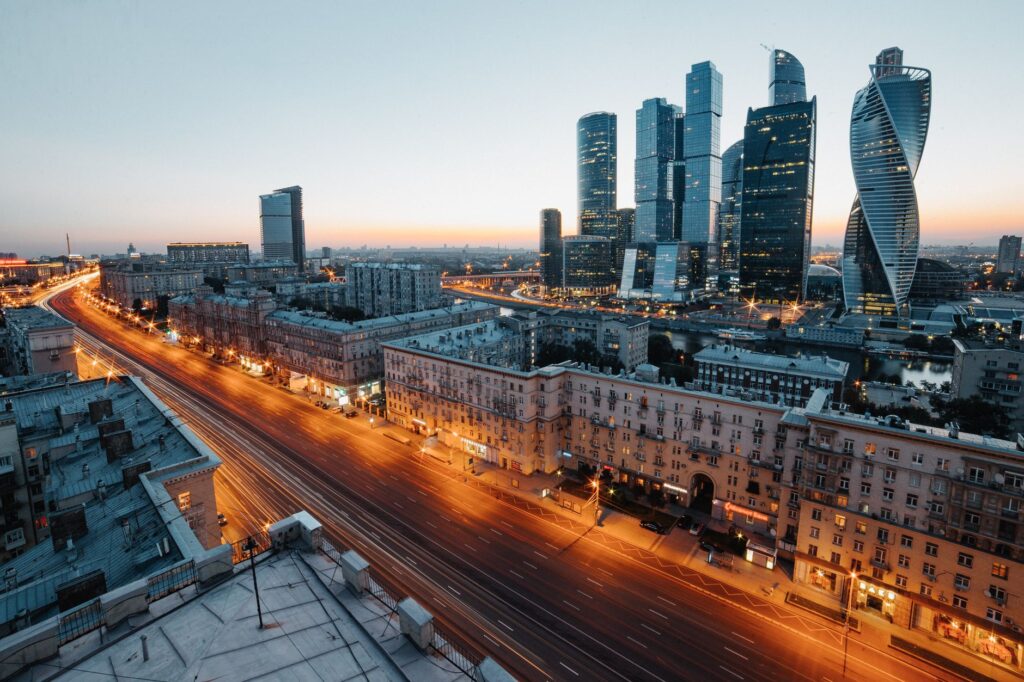
Moscow Europe envoy discussions are crucial for fostering meaningful diplomatic relations. The recent statement from Moscow underscores the need for Europe to select a representative if it wishes to engage in dialogue.
Moscow’s Diplomatic Strategy
Moscow’s diplomatic strategy is evolving as it seeks to strengthen its ties with Europe. Recent statements from Russian officials have emphasized the importance of appointing a dedicated Moscow Europe envoy to facilitate dialogue and cooperation. This move is seen as a response to ongoing tensions and a call for more structured communication channels between Russia and European nations.
As geopolitical landscapes shift, Russia aims to reposition itself as a key player in European affairs. The Kremlin argues that a dedicated envoy would enable more effective negotiations on various issues, including trade, security, and energy. By establishing a formal representative, Moscow hopes to demonstrate its commitment to collaboration while also asserting its influence.
Some key points regarding this diplomatic strategy include:
- Increased Engagement: A Moscow Europe envoy could pave the way for more frequent and meaningful exchanges between Russian officials and their European counterparts.
- Addressing Mutual Concerns: The envoy’s role would encompass addressing pressing issues such as climate change, migration, and economic stability that affect both regions.
- Building Trust: A consistent diplomatic presence may help rebuild trust that has eroded over recent years due to various conflicts and sanctions.
Ultimately, the establishment of a Moscow Europe envoy could signify a willingness from both parties to engage in constructive dialogue, aiming for a smart partnership that benefits all involved.
The Role of Envoys in International Relations
In the complex landscape of international relations, envoys play a pivotal role in bridging communication between countries. The appointment of a Moscow Europe envoy demonstrates a strategic move aimed at enhancing dialogue and cooperation. Envoys serve not only as representatives but also as facilitators who navigate the intricacies of diplomatic discussions.
These diplomats are often tasked with several key responsibilities:
- Negotiation: Envoys engage in discussions that can lead to treaties, agreements, and other forms of cooperation.
- Information Gathering: They collect crucial intelligence and insights about the political climate, economic conditions, and social issues in the regions they are assigned to.
- Conflict Resolution: Envoys often work to mediate disputes, offering a neutral perspective that can help de-escalate tensions between nations.
- Cultural Exchange: They promote understanding and goodwill through cultural initiatives, fostering relationships beyond mere politics.
In the context of Moscow’s recent overture to Europe, the role of a dedicated envoy becomes even more critical. By establishing a direct line of communication, Moscow aims to enhance its influence while encouraging a proactive approach from European nations. This partnership could lead to mutually beneficial outcomes, provided there is a willingness on both sides to engage constructively.
Why Europe Needs to Choose an Envoy
In an era of increasing geopolitical tensions, the need for effective communication between Moscow and European capitals has never been more critical. Choosing a dedicated Moscow Europe envoy could serve as a strategic move towards fostering a meaningful partnership. Here are key reasons why Europe should consider this choice:
- Facilitating Dialogue: A designated envoy can streamline communication, ensuring that messages are conveyed accurately and promptly, reducing the chances of misunderstandings.
- Addressing Mutual Concerns: With ongoing issues such as energy security and regional stability, a Moscow Europe envoy could help address these mutual concerns, fostering collaboration rather than confrontation.
- Enhancing Trust: Establishing a consistent point of contact can build trust over time, which is essential in international relations. This trust may pave the way for more ambitious agreements and partnerships.
- Promoting Economic Cooperation: An envoy could facilitate discussions on trade and economic cooperation, helping to mitigate the economic fallout from sanctions and fostering growth.
- Crisis Management: In times of crisis, having a dedicated envoy can be invaluable, enabling rapid responses to prevent escalation and maintain stability in the region.
Ultimately, the appointment of a Moscow Europe envoy is not just a diplomatic gesture; it represents a proactive approach to building a smart partnership that can address the complex challenges facing both regions.
Implications of Moscow’s Statement
The recent statement from Moscow regarding Europe’s need to select a dedicated envoy highlights significant implications for diplomatic relations between the two regions. By urging Europe to appoint a representative, Moscow is not merely making a suggestion; it is laying groundwork for a more structured dialogue that may lead to enhanced cooperation.
One major implication is the potential for increased engagement on key issues affecting both parties. With a designated envoy, Europe can facilitate clearer communication and negotiate more effectively on matters such as security, trade, and climate change. A solid partnership could emerge if both sides commit to regular discussions and collaborative efforts.
Moreover, the appointment of a Moscow Europe envoy would signify a willingness from Europe to engage with Russia on a level that has been lacking in recent years. This shift could help to rebuild trust and pave the way for addressing long-standing tensions. However, it is essential that this envoy has the authority and support to make meaningful proposals that resonate with European interests.
In summary, the implications of Moscow’s statement are profound. A thoughtful choice of envoy could lead to a reinvigorated relationship, fostering a smart partnership that benefits both sides. Ultimately, the success of this initiative will hinge on the commitment of both Moscow and Europe to engage sincerely and strategically moving forward.
Historical Context of Russia-Europe Relations
The historical context of Russia-Europe relations is complex, characterized by periods of cooperation and tension. Over the centuries, the two regions have navigated a series of diplomatic engagements, treaties, and conflicts that have shaped their interactions. Understanding this backdrop is essential when considering the recent call from Moscow for Europe to appoint a dedicated envoy.
During the Cold War, the relationship was predominantly adversarial, with ideological divides influencing diplomatic ties. However, the collapse of the Soviet Union in 1991 ushered in a new era, marked by attempts to foster economic partnerships and political dialogue. Initiatives such as the Partnership and Cooperation Agreement aimed to bridge gaps and enhance collaboration.
In recent years, tensions have resurfaced due to geopolitical crises, including the annexation of Crimea and ongoing conflicts in Eastern Europe. Despite these challenges, there remains a mutual recognition of the importance of dialogue. The appointment of a Moscow Europe envoy could serve as a catalyst for renewed engagement, reflecting a strategic choice for a smart partnership.
As Russia extends this invitation, it underscores the necessity for Europe to reassess its diplomatic posture. A dedicated envoy could facilitate direct communication and potentially pave the way for addressing pressing issues collaboratively. In this historical context, the role of a Moscow Europe envoy could be pivotal in redefining the future of their bilateral relations.
Future of Diplomatic Engagement
The future of diplomatic engagement between Moscow and Europe hinges on the selection of a dedicated envoy to facilitate dialogue and cooperation. As both regions navigate a complex political landscape, appointing a Moscow Europe envoy could serve as a critical step towards fostering mutual understanding and addressing pressing global challenges.
With ongoing tensions and differing priorities, the need for effective communication has never been more apparent. A well-chosen envoy can bridge gaps in perception and policy, ensuring that both parties remain informed and engaged. This role is not simply about representation but also about actively shaping the narrative and promoting shared interests.
Key considerations for the appointment of a Moscow Europe envoy include:
- Trust Building: The envoy must work to rebuild trust that has been eroded over recent conflicts.
- Economic Cooperation: Addressing economic ties could enhance stability and mutual benefits for both sides.
- Security Dialogue: Establishing a platform for discussing security concerns is essential to avoid escalation.
- Cultural Exchange: Promoting people-to-people connections can help soften political tensions.
In conclusion, the strategic appointment of a Moscow Europe envoy could pave the way for a smarter partnership, enabling both regions to tackle their challenges collaboratively while ensuring their voices are heard on the global stage.
Key Takeaways from the Recent Developments
Recent developments concerning the role of the Moscow Europe envoy have sparked significant discussions among global leaders and diplomats. Here are the key takeaways from these events:
- Initiative for Engagement: Moscow has reiterated its willingness to engage with Europe, emphasizing that appointing a dedicated envoy would facilitate better communication and understanding.
- Strategic Importance: The envoy’s role is seen as crucial for navigating complex political landscapes, especially given the ongoing tensions between Russia and Western nations.
- Mutual Benefits: Both parties stand to gain from this partnership, as it could lead to more robust economic and cultural exchanges, potentially easing current frictions.
- Timeline for Appointment: Moscow has set a timeline for Europe to respond, indicating that timely action is essential for re-establishing dialogue.
- Global Implications: The choice of an envoy could impact not only Russia-Europe relations but also influence global diplomatic dynamics, particularly in light of shifting alliances.
- Public Sentiment: There appears to be a growing call from various European stakeholders urging their governments to consider this proposal seriously for the sake of regional stability.
As the situation unfolds, the selection of a Moscow Europe envoy may prove to be a pivotal step towards fostering a more collaborative and constructive relationship between the two regions.
Photo by Max Avans on Pexels



1 thought on “Moscow Europe envoy: The Right Choice for a Smart Partnership”