India’s Poverty Reduction: Clear Steps for Proven Success
India’s poverty reduction strategies are proving effective, as PM Modi highlights at Diwali Milan. Discover the key insights shared.
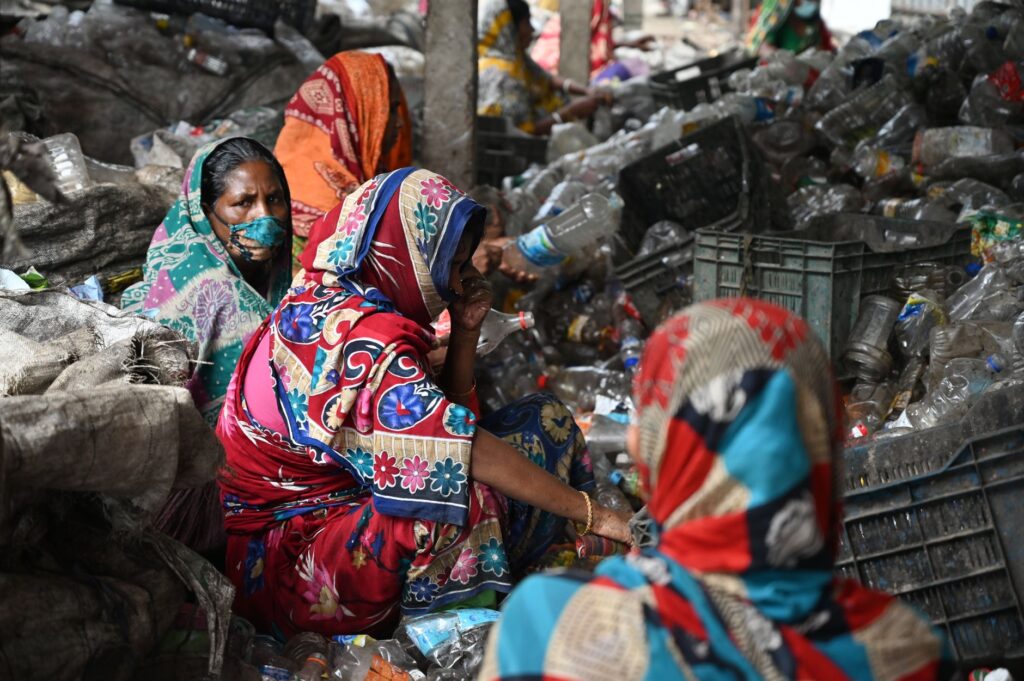
India’s poverty reduction efforts are in focus as PM Modi contrasts the ‘Garibi Hatao’ slogan with recent progress. His remarks at the Diwali Milan event emphasize the importance of these initiatives.
Overview of PM Modi’s Speech
In a recent speech during the Diwali Milan event, Prime Minister Narendra Modi emphasized the significant strides India has made in poverty reduction. He contrasted the historical ‘Garibi Hatao’ slogan with the current achievements of the nation, highlighting successful policies implemented under his government.
Modi noted that the World Bank had recognized India’s efforts, stating that millions have been lifted out of poverty in recent years. He attributed this progress to various welfare schemes aimed at empowering the underprivileged and ensuring equitable growth.
The Prime Minister outlined key initiatives that have contributed to this transformation, including:
- Direct Benefit Transfers: Streamlining subsidies to reach the needy more efficiently.
- Skill Development Programs: Enhancing employability among youth.
- Affordable Housing Schemes: Providing shelter for the poor.
Through these measures, Modi reiterated India’s commitment to ongoing poverty reduction and improving the quality of life for all citizens.
Historical Context of ‘Garibi Hatao’
The slogan ‘Garibi Hatao,’ coined during the 1970s by then-Prime Minister Indira Gandhi, aimed at eradicating poverty in India. This movement was pivotal in shaping the country’s approach to social welfare and economic reforms. Over the decades, various governments have adopted different strategies to address poverty, leading to significant developments in India’s poverty reduction efforts.
In recent years, the focus has shifted towards inclusive growth, leveraging technology and social programs. Prime Minister Modi’s administration has emphasized the importance of self-reliance and sustainable development, aligning with global standards. By contrasting ‘Garibi Hatao’ with modern initiatives, he highlights the evolution of India’s poverty reduction strategies.
Today, India stands at a crossroads, where historical lessons inform contemporary policies. The commitment to reducing poverty remains a priority, drawing attention to the critical need for continuous improvement and innovation in tackling economic disparities.
Key Statistics on Poverty Reduction
In recent years, India’s poverty reduction efforts have yielded impressive results, as highlighted by Prime Minister Modi during his recent address. Key statistics underscore the progress made in combating poverty:
- World Bank Data: According to the World Bank, the percentage of people living below the poverty line in India has decreased from 45% in 1993 to around 10% in 2021.
- Economic Growth: India’s economy has grown at an average rate of 6-7% over the past decade, contributing significantly to poverty alleviation.
- Social Initiatives: Government programs such as the Pradhan Mantri Awas Yojana and the Mahatma Gandhi National Rural Employment Guarantee Act have played crucial roles in providing both housing and employment.
- Universal Health Coverage: Initiatives like Ayushman Bharat have extended health services to millions, improving overall well-being and economic stability.
These statistics reflect a broader trend of successful poverty reduction in India, demonstrating effective governance and targeted interventions.
World Bank’s Role in India’s Economy
The World Bank has played a pivotal role in shaping India’s economic landscape, particularly in addressing the issue of poverty. With initiatives aimed at providing financial support and technical assistance, the organization has facilitated various programs focused on India’s poverty reduction.
During a recent Diwali Milan event, Prime Minister Modi highlighted the collaborative efforts between the Indian government and the World Bank. He pointed out the significant funding and resources allocated by the institution to support developmental projects across the country. These projects have ranged from rural development to skill training, all aimed at uplifting marginalized communities.
Furthermore, the World Bank’s data has been critical in tracking India’s progress in poverty alleviation. As Modi noted, the ongoing partnership reflects a commitment to sustainable growth and improving living standards for millions. The emphasis on economic reforms and social welfare has underscored the effectiveness of global cooperation in achieving India’s poverty reduction goals.
Public Reactions to Modi’s Remarks
The recent remarks by Prime Minister Modi regarding India’s poverty reduction have sparked a mix of reactions from the public and various stakeholders. Many citizens expressed their support for the government’s efforts to alleviate poverty, highlighting the tangible benefits they have experienced in their daily lives.
- Support from the Middle Class: A segment of the middle class praised the government’s initiatives, noting improvements in access to education and healthcare.
- Concerns from Activists: Conversely, activists raised concerns about the accuracy of poverty statistics, questioning whether the improvements are as significant as claimed.
- Regional Disparities: Some citizens from rural areas pointed out that while urban poverty has decreased, challenges remain in remote regions, calling for more targeted poverty alleviation programs.
Overall, the discourse surrounding Modi’s remarks reflects a broader conversation about the effectiveness and sustainability of India’s poverty reduction strategies moving forward.
Future of Poverty Alleviation in India
The future of poverty alleviation in India looks promising as the government continues to implement strategic initiatives aimed at sustainable development. With a focus on India’s poverty reduction, policymakers are exploring innovative approaches to tackle the root causes of poverty.
Key areas of focus include:
- Employment Generation: Creating job opportunities through skill development and entrepreneurship programs.
- Access to Education: Ensuring that quality education is available for all, particularly in rural areas.
- Healthcare Access: Improving healthcare facilities to reduce medical expenses and enhance overall well-being.
- Financial Inclusion: Expanding access to financial services for marginalized communities to empower them economically.
With continued collaboration between government, NGOs, and international organizations, India is on a trajectory to make significant strides in poverty alleviation, fostering a more equitable society for all citizens.
India’s poverty reduction has been achieved through a combination of effective policies and community engagement. By focusing on sustainable development, India’s poverty reduction efforts have significantly improved the living standards of millions.
Photo by Mumtahina Tanni on Pexels


1 thought on “India’s Poverty Reduction: Clear Steps for Proven Success”