China’s exports surge: The Proven Impact of AI Demand
China’s exports surge as AI-driven demand reshapes global trade dynamics.
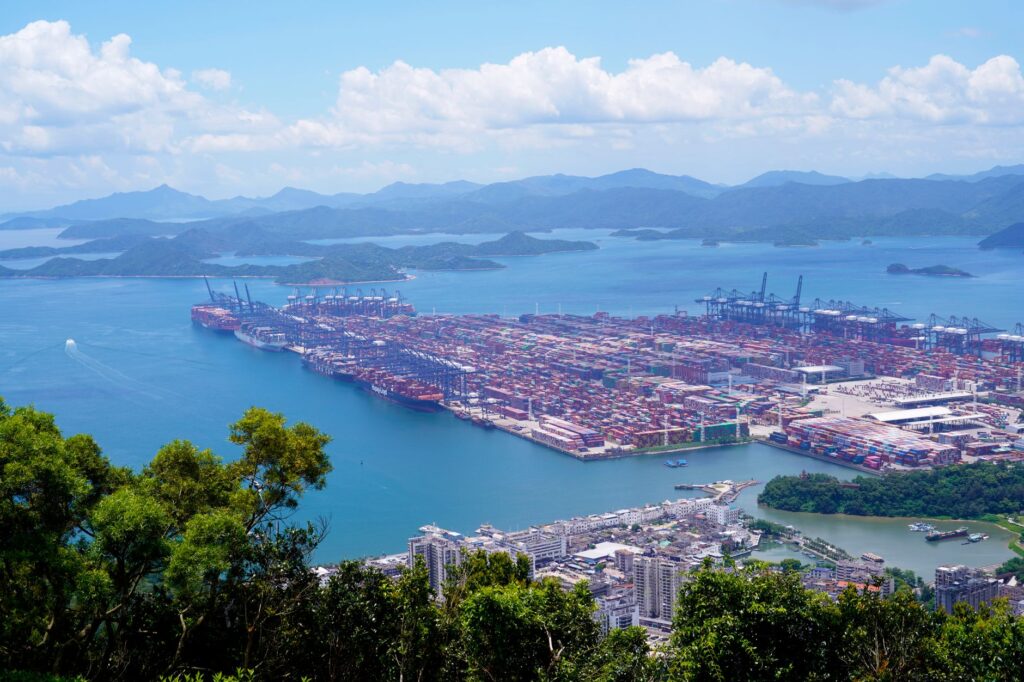
China’s exports surge amid increasing AI-driven demand, showcasing the country’s robust economic recovery and technological advancements.
Understanding China’s Exports Surge
In recent months, China’s exports surge has been attributed to a significant increase in demand for artificial intelligence (AI) technologies. The rise in global interest for AI-driven products has positioned China as a leading supplier in this burgeoning market. Companies worldwide are increasingly sourcing AI components, software, and related technologies from Chinese manufacturers, leading to a notable boost in export numbers.
This trend is driven by several key factors:
- Innovation: Chinese tech firms are investing heavily in research and development, which has resulted in cutting-edge AI solutions that attract international buyers.
- Cost Efficiency: Competitive pricing and efficient production capabilities allow Chinese companies to meet the growing demand while maintaining profitability.
- Global Partnerships: Collaborations with foreign enterprises have expanded the reach of Chinese technology, making it easier for international markets to access advanced AI products.
- Government Support: The Chinese government has implemented policies that promote the tech sector, further fueling growth in exports.
As a result of these dynamics, the trade landscape is shifting, with China emerging as a critical player in the global AI market. The impact of this export surge is likely to influence economic relationships and technological advancements worldwide for years to come.
The Role of AI in Trade
The role of artificial intelligence (AI) in driving China’s exports surge cannot be overstated. As global demand for AI technologies rises, Chinese manufacturers are leveraging advancements in this field to optimize production and logistics.
Several factors contribute to the increased demand for AI-driven products:
- Innovation in Technology: Chinese companies are at the forefront of AI research and development, producing cutting-edge hardware and software solutions that appeal to international markets.
- Cost Efficiency: The integration of AI into manufacturing processes allows companies to reduce operational costs, making their products more competitive on the global stage.
- Enhanced Supply Chain Management: AI tools enable better inventory management and forecasting, ensuring that manufacturers can meet the growing demands of their clients swiftly and effectively.
- Increased Export Capacity: With AI technology streamlining operations, Chinese exporters can scale up their production capabilities, resulting in a notable boost in export volumes.
As a result, the synergy between AI advancements and China’s export strategies has led to a remarkable surge in trade figures. This trend reflects not only the strength of China’s manufacturing sector but also its ability to adapt to the evolving global marketplace, driven by AI demand.
Impact on Global Markets
The recent surge in China’s exports has had a profound impact on global markets, reshaping trade dynamics and influencing economic forecasts. As demand for artificial intelligence (AI) technologies continues to rise, countries around the world are adjusting their import strategies to accommodate this shift.
Several key factors illustrate the effects of China’s exports surge on international markets:
- Increased Competition: With China’s production capabilities and advanced technology, countries that traditionally dominated the tech sector are facing increased competition. This has led to a reevaluation of pricing strategies and innovation efforts.
- Supply Chain Adjustments: Businesses worldwide are reassessing their supply chains to incorporate AI-driven products from China, aiming to enhance efficiency and reduce costs. This adjustment is prompting a ripple effect in logistics and transportation sectors.
- Geopolitical Repercussions: The rise in China’s exports is influencing geopolitical relationships, as nations seek to strengthen ties with China for access to its AI innovations, thereby shifting alliances and trade agreements.
- Market Volatility: Investors are closely monitoring these trends, as fluctuations in China’s export levels can lead to significant volatility in stock markets, particularly in tech-related sectors.
In conclusion, China’s exports surge driven by AI demand is not only transforming the landscape of international trade but also prompting a reevaluation of economic strategies across the globe.
Future Trends in Export Growth
As the landscape of global trade continues to evolve, China’s exports surge is expected to experience further momentum driven by several key trends.
Firstly, the integration of artificial intelligence in manufacturing processes is likely to enhance productivity and efficiency. Companies are increasingly leveraging AI to streamline operations, reduce costs, and improve product quality, making Chinese goods more competitive in international markets.
Secondly, the growing demand for technological innovations is set to bolster exports. With advancements in sectors like robotics, telecommunications, and renewable energy, China is positioning itself as a leading supplier of high-tech products, which are in great demand worldwide.
Additionally, the shift towards sustainable practices is influencing export trends. As global consumers become more environmentally conscious, there is a rising preference for products that meet sustainability standards. China is responding to this trend by increasing the production of eco-friendly goods.
Lastly, the strengthening of trade relationships with emerging markets can further fuel export growth. As China continues to diversify its trade partnerships, new markets will open up, providing additional opportunities for export expansion.
In conclusion, with these factors in play, China’s exports surge is likely to maintain its upward trajectory in the coming years, reflecting the dynamic nature of global trade.
As global industries increasingly integrate artificial intelligence technologies, China’s exports surge, reflecting the country’s strategic investments in AI development. This substantial growth in demand has positioned China as a leading exporter in the tech sector, further driving China’s exports surge.
Photo by kf zhou on Pexels

1 thought on “China’s exports surge: The Proven Impact of AI Demand”