Inflationary Mindset: The Right Steps to Avoid It
Inflationary mindset concerns are rising; learn how higher rates may be necessary to prevent economic issues.
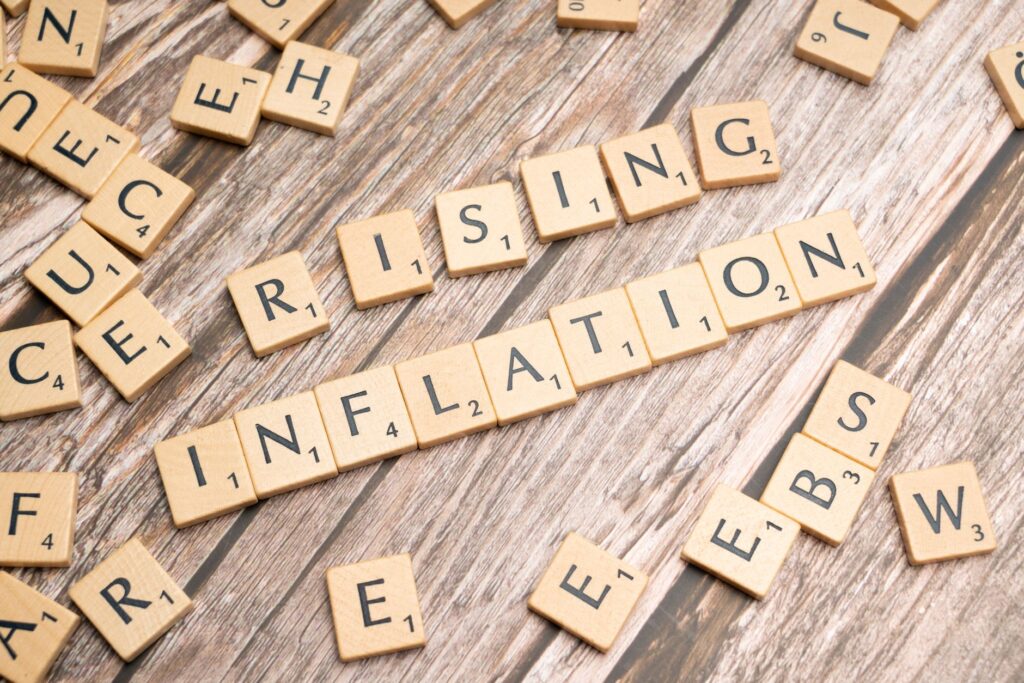
The inflationary mindset is becoming a pressing concern, as experts warn that higher rates might be needed to stave off economic challenges.
Understanding the Inflationary Mindset
The inflationary mindset refers to a psychological state where individuals and businesses expect prices to rise continuously, leading to behaviors that can perpetuate inflation. This mindset can be dangerous, as it may cause people to spend more quickly, fearing future price increases.
Understanding this phenomenon is crucial for both consumers and policymakers. Here are some key aspects to consider:
- Behavioral Changes: When people believe that prices will keep rising, they tend to buy goods and services sooner rather than later, which can drive demand and prices up even further.
- Wage Expectations: An inflationary mindset can lead workers to demand higher wages to keep pace with rising costs, creating a cycle that reinforces inflation.
- Policy Implications: Central banks, like the Federal Reserve, may need to implement higher interest rates to combat this mindset and stabilize the economy.
Being aware of the inflationary mindset is essential for making informed financial decisions and understanding the broader economic landscape.
How Higher Rates Impact the Economy
The recent statements from the Federal Reserve highlight the growing concern over an inflationary mindset among consumers and businesses. Higher interest rates are being considered as a tool to combat this phenomenon, which can significantly impact the economy in various ways.
When interest rates rise, borrowing costs increase, leading to a decrease in consumer spending and business investments. This tightening of financial conditions often results in:
- Reduced consumer confidence: As loans become more expensive, individuals may hesitate to make large purchases, such as homes or cars.
- Slower business growth: Companies may postpone expansion plans or hiring due to the higher costs associated with financing.
- Potential job losses: With decreased consumer spending and business investments, companies may need to cut back on their workforce to maintain profitability.
Ultimately, the goal of raising rates is to prevent an entrenched inflationary mindset, which can lead to persistent price increases and economic instability. By carefully managing interest rates, the Fed aims to balance growth and inflation.
Fed’s Hammack on Inflation Concerns
In a recent statement, Fed’s Hammack expressed concern over the potential emergence of an inflationary mindset among consumers and businesses. He emphasized that if individuals start to expect rising prices as a norm, it could lead to a self-fulfilling prophecy, further driving inflation. Hammack highlighted that one of the primary roles of the Federal Reserve is to ensure that inflation expectations remain anchored.
To combat this, he suggested that maintaining higher interest rates may be necessary in the short term. This approach aims to cool down demand and keep prices in check. Hammack elaborated on several key points regarding the Fed’s strategy:
- Preventing Anchored Expectations: If inflation expectations become entrenched, it complicates monetary policy.
- Monitoring Economic Indicators: The Fed will closely watch inflation data to gauge the effectiveness of its policies.
- Balancing Growth and Stability: Ensuring economic growth without triggering excessive inflation remains a top priority.
As the economic landscape evolves, the Fed’s actions will be crucial in shaping public perception and mitigating the risks of an inflationary mindset.
Strategies to Combat Inflation
As inflation concerns grow, adopting an inflationary mindset can lead to detrimental financial behaviors. To combat this mindset, individuals can implement several effective strategies:
- Budgeting Wisely: Creating a detailed budget helps track expenses and prioritize essential spending, reducing the likelihood of panic buying during inflationary periods.
- Diversifying Investments: Investing in a mix of assets, such as stocks, bonds, and real estate, can protect against inflation’s effects by providing a hedge against rising prices.
- Staying Informed: Keeping up with economic trends and understanding how inflation impacts purchasing power can empower individuals to make informed financial decisions.
- Building an Emergency Fund: Establishing a financial cushion allows for flexibility and reduces the stress that comes from unexpected economic shifts.
- Avoiding Impulsive Purchases: Maintaining a disciplined approach to spending helps to prevent falling into an inflationary mindset fueled by fear and urgency.
By employing these strategies, individuals can mitigate the risks associated with an inflationary mindset and maintain financial stability.
Photo by Markus Winkler on Pexels


1 thought on “Inflationary Mindset: The Right Steps to Avoid It”