US sanctions India: The Worst Consequences Explained
US sanctions India could reshape global alliances and fuel supplies.
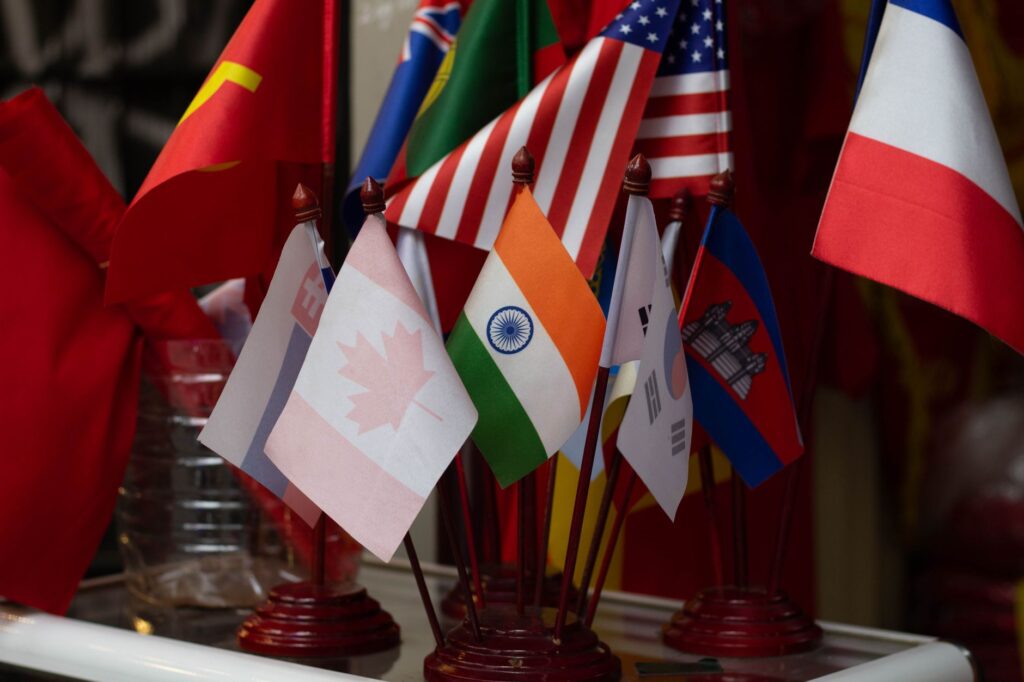
US sanctions India are a hot topic as Trump looks to Putin for fuel. The geopolitical implications could have lasting effects on international relations.
Understanding US sanctions
The concept of US sanctions India revolves around punitive measures imposed by the United States government to influence India’s policies or actions. Sanctions can take various forms, including economic restrictions, trade barriers, and diplomatic pressures.
Understanding the implications of such sanctions is crucial, as they can have widespread effects on both nations and their citizens. The key aspects include:
- Economic Impact: Sanctions can lead to a decline in foreign investment, affecting India’s growth and stability.
- Trade Relations: Restrictions could disrupt the flow of goods and services, impacting industries reliant on US markets.
- Diplomatic Tensions: Sanctions may result in strained bilateral relations, hindering cooperation on global issues such as security and climate change.
- Domestic Consequences: The general populace may bear the brunt of economic sanctions, leading to increased prices and limited access to essential goods.
The potential for US sanctions India stems from various geopolitical tensions, making it imperative for both nations to engage in constructive dialogue to avoid such drastic measures.
Trump’s fuel strategy
In a surprising turn of events, former President Donald Trump has proposed a controversial fuel strategy that could have significant implications for US sanctions on India. As the geopolitical landscape shifts, Trump’s approach raises questions about the prioritization of energy needs over diplomatic relations.
Under this strategy, Trump has suggested a reliance on Russian fuel sources, a move that has drawn criticism from various quarters. Observers worry that this could lead to a complex web of alliances and sanctions, particularly as the US continues to navigate its relationship with India.
Key elements of Trump’s fuel strategy include:
- Increased dependence on foreign oil: By turning to Russia, the US risks compromising its energy independence.
- Potential backlash from allies: Countries that have aligned with the US may view this strategy as a betrayal, especially those concerned about Russian aggression.
- Impact on US sanctions on India: The dynamics of Trump’s fuel strategy may further complicate the current sanctions regime and its enforcement.
As the situation evolves, the ramifications of these decisions will likely resonate beyond just fuel prices, affecting international relations and economic stability.
The role of Putin
The geopolitical landscape surrounding US sanctions on India has become increasingly complex, especially with the involvement of Russia. Vladimir Putin, the President of Russia, has positioned himself as a key player in this unfolding drama. Amidst the backdrop of strained US-India relations, Putin’s influence could potentially alter the dynamics.
As President Trump looks for fuel alternatives, his overtures towards Putin raise questions about the future of international alliances. The reliance on Russian energy could create a paradox where the US, while sanctioning India, simultaneously seeks support from a nation often seen as an adversary.
Moreover, the implications of these sanctions extend beyond mere economic measures. They may:
- Fuel tensions between major global powers.
- Impact India’s defense and energy sectors.
- Shift the balance of power in Asia.
In this context, the role of Putin becomes even more critical. The US sanctions on India are not just about economic repercussions but also about the strategic partnerships that may emerge in response to these actions.
Impact on India
The recent US sanctions on India could have far-reaching consequences for the country’s economy and international relations. The imposition of these sanctions has created a ripple effect that could disrupt trade and investment flows.
One of the immediate impacts is the potential decline in foreign direct investment (FDI). Investors may hesitate to engage with Indian markets due to the uncertainty surrounding US policies:
- Reduced investor confidence could result in a slowdown of economic growth.
- Increased costs for Indian companies relying on US technology and products.
Moreover, the sanctions may strain India’s diplomatic ties with the United States, a crucial ally in the Asia-Pacific region. This could lead to:
- Challenges in defense collaborations, affecting India’s security landscape.
- Limitations on strategic partnerships in trade and technology.
In a broader context, the sanctions could also push India to strengthen its relationships with other nations, potentially shifting the balance of power in the region.
Global reactions to sanctions
The announcement of US sanctions against India has elicited a wide range of global reactions, reflecting the complex geopolitical landscape. Many countries have expressed concern over the potential escalation of tensions between the US and India, two nations that have historically maintained a strategic partnership.
Some key reactions include:
- European Union: The EU has urged for dialogue and diplomatic solutions, emphasizing the importance of collaboration in addressing global challenges.
- China: China has welcomed the sanctions, viewing them as an opportunity to strengthen its influence in the region and deepen ties with India.
- Russia: In contrast, Russia has publicly criticized the sanctions, highlighting the need for a multipolar world and expressing solidarity with India amidst US pressure.
- India’s Neighbors: Several neighboring countries have shown mixed reactions, with some expressing support for India while others remain neutral, focusing on their own national interests.
The imposition of US sanctions on India has sparked a debate about international relations and the future of global alliances, raising questions about economic stability and security in the region.
Future of US-India relations
The future of US-India relations remains uncertain following the imposition of US sanctions on India. As both nations navigate the complexities of this new reality, several factors will play a critical role in shaping their diplomatic ties.
Firstly, economic interdependence is a vital consideration. India is one of the largest markets for US goods, and any prolonged sanctions could lead to significant economic fallout for both countries.
Additionally, strategic partnerships in defense and technology may be affected. India’s reliance on US military equipment complicates the situation, as sanctions could hinder future arms deals.
Another aspect is the geopolitical landscape. With China’s growing influence in the region, India may seek to strengthen its ties with other nations, potentially reducing its dependency on the US.
Furthermore, domestic politics in both countries may influence future negotiations. As the US gears up for upcoming elections, the stance on India could become a pivotal issue for candidates.
Ultimately, the path forward will depend on diplomatic efforts to address the consequences of US sanctions on India while balancing mutual interests.
Economic implications of sanctions
The potential for US sanctions on India raises significant economic implications that could reverberate throughout the region and beyond. As the world’s third-largest economy, India’s robust growth trajectory is closely tied to its trade relationships, particularly with the United States.
In the event of sanctions, several key areas could be adversely affected:
- Trade Tariffs: Increased tariffs on Indian goods could lead to a substantial drop in exports, harming industries such as textiles and technology.
- Foreign Investment: Sanctions might deter foreign investors who view India as a stable market, thus slowing down economic growth.
- Financial Markets: Sanctions could lead to volatility in Indian financial markets, affecting stock prices and currency value.
- Supply Chains: Disruptions to supply chains could occur, with companies facing challenges in sourcing materials and delivering products.
- Employment Rates: The ripple effects could lead to job losses across sectors that rely on exports and foreign investment.
Ultimately, the fallout from US sanctions on India could reshape economic relations, not just for India, but for global markets as well.
The implications of US sanctions India can severely impact the country’s economy and diplomatic relations. As industries struggle to adapt, the effects of US sanctions India may lead to increased unemployment and social unrest.
Photo by Paresh Patil on Pexels
Read the original
Is Firing Squad Execution the Right Choice for Justice? · Xiaomi 18 Pro launch: Best dual display phone revealed! · Artemis II return: A Proven Journey Back to Earth
1 thought on “US sanctions India: The Worst Consequences Explained”