S&P 500 decline: Worst day for stocks as yields rise
S&P 500 decline impacts markets as Treasury yields climb and oil prices surge. Get live updates on the latest financial news.
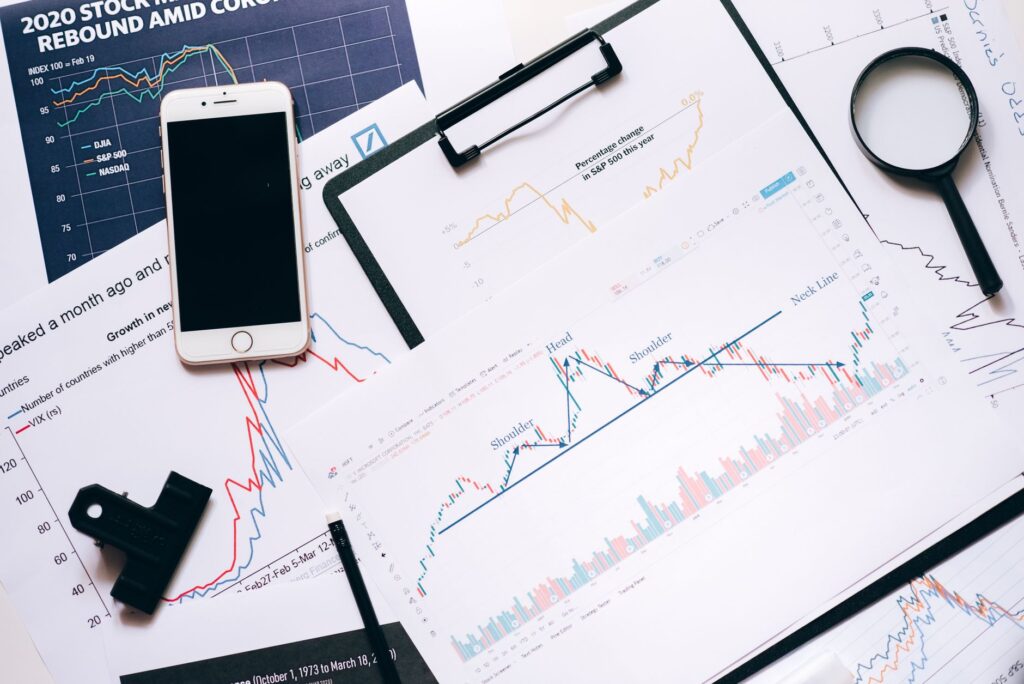
S&P 500 decline is affecting investor sentiment as Treasury yields continue to climb, leading to significant market shifts. This article provides live updates on the situation.
Market Overview
The recent performance of the S&P 500 has raised concerns among investors, marking a troubling trend as the index experienced its worst day in months. Analysts attribute this significant S&P 500 decline to rising Treasury yields, which have prompted fears of increased borrowing costs and their potential impact on economic growth.
As the bond market continues to react to shifting economic indicators, the yield on the benchmark 10-year Treasury note has surged, reaching levels not seen in over a decade. This upward movement in yields has had a ripple effect, causing investors to reevaluate their positions in equities, particularly in sectors sensitive to interest rates.
Key points from the market overview include:
- Declining Stocks: The S&P 500 fell sharply, reflecting a broader downturn across major indices.
- Treasury Yields: The rise in yields has raised concerns about future Federal Reserve interest rate hikes.
- Oil Prices: In contrast, oil prices gained 5%, providing a counterbalance to the downward pressure on stocks.
- Investor Sentiment: There is growing anxiety among investors as they navigate the implications of higher interest rates on corporate earnings.
With uncertainty prevailing, market participants are closely monitoring economic data and Federal Reserve statements for cues on future monetary policy direction.
Impact of Treasury Yields
The recent surge in Treasury yields has significantly impacted investor sentiment, contributing to the S&P 500 decline experienced on what some are calling the worst day for stocks in recent memory. As yields rise, borrowing costs increase, leading to uncertainties about corporate profits and overall economic growth.
Market analysts have pointed out several key factors behind the rise in Treasury yields:
- Inflation Concerns: Persistent inflation has led to expectations of tighter monetary policy, causing investors to reassess their portfolios.
- Federal Reserve Signals: Recent statements from Federal Reserve officials have indicated a willingness to increase interest rates to combat inflation, which typically results in higher yields.
- Global Economic Conditions: Growth forecasts are being revised amid geopolitical tensions and supply chain disruptions, adding further pressure to Treasury yields.
The combination of these elements has left many investors wary, leading to widespread sell-offs across various sectors. With the S&P 500 decline, technology and consumer discretionary stocks were particularly hard hit, reflecting a shift in market dynamics.
As the financial landscape evolves, analysts will continue to monitor how rising yields will shape market trends and investor strategies moving forward.
Oil Price Surge
The recent surge in oil prices has added another layer of complexity to the ongoing challenges faced by investors, particularly in light of the S&P 500 decline. As crude oil prices jumped by over 5%, many analysts are expressing concerns about inflationary pressures and their potential impact on economic growth.
Several factors have contributed to this spike in oil prices:
- Supply Constraints: Ongoing geopolitical tensions and production cuts from major oil-producing countries are exacerbating supply shortages.
- Increased Demand: As economies around the globe continue to recover from the pandemic, the demand for oil has risen significantly, leading to higher prices.
- Market Speculation: Traders are reacting to the uncertainty in the market, driving prices further up in anticipation of future shortages.
The rise in oil prices is a double-edged sword for the stock market. While it reflects strong demand and a recovering economy, it also raises concerns about inflation, which could lead to tighter monetary policy from the Federal Reserve. The combination of climbing Treasury yields and soaring oil prices has created a challenging environment for equities, resulting in the S&P 500 decline that many investors are now closely monitoring.
Investor Reactions
Investor reactions to the recent S&P 500 decline have been swift and varied, reflecting deep concerns about rising Treasury yields and their impact on the broader market. Many analysts believe that the spike in yields is a direct response to persistent inflation fears and the potential for aggressive monetary tightening by the Federal Reserve.
In a recent survey, a significant number of investors expressed their unease:
- Heightened Anxiety: 70% of respondents indicated that they are worried about the sustainability of the market amid increasing interest rates.
- Shift in Strategy: Nearly 60% reported plans to pivot towards defensive stocks, seeking safer investments during periods of volatility.
- Increased Cash Holdings: Some investors are opting to hold more cash, awaiting clearer signals from the Fed before re-entering the market.
Market experts suggest that this S&P 500 decline could be a catalyst for a more significant re-evaluation of investment strategies. “Investors need to be prepared for continued fluctuations as the economic landscape evolves,” stated one financial analyst.
As the market digests these changes, many are closely monitoring upcoming economic indicators that could influence future trading decisions. The uncertainty surrounding both inflation and interest rates continues to create a challenging environment for investors.
Historical Context
The recent S&P 500 decline marks a significant moment in the ongoing volatility of the stock market, as it echoes similar downturns observed in previous years. Historical trends reveal that spikes in Treasury yields often correlate with heightened pressure on equity markets, leading to sell-offs as investors seek safer assets. For instance, during the bond market turmoil in 2018, the S&P 500 experienced sharp declines amidst rising yields, indicating a pattern that investors closely monitor.
Furthermore, the Federal Reserve’s monetary policy decisions have historically played a crucial role in shaping market dynamics. When interest rates are increased to combat inflation, as has been the case recently, equity valuations tend to recalibrate, resulting in declines like that of the S&P 500. This reaction underscores the sensitivity of stocks to macroeconomic indicators.
Additionally, major events in the past, such as the tech bubble burst in 2000 and the financial crisis in 2008, serve as reminders of the fragility of market confidence. Investors are often left grappling with the uncertainty that follows significant market downturns, leading to a cautious approach in their trading strategies.
As the S&P 500 encounters this latest decline, analysts are revisiting historical data to understand potential implications for future market performance and investor sentiment, highlighting the cyclical nature of stock market trends.
Future Projections
As analysts assess the implications of the recent S&P 500 decline, future projections indicate a cautious outlook for the stock market. Many experts are closely monitoring the trajectory of Treasury yields, as continued increases could further weigh on equity prices. The relationship between rising yields and stock valuations remains a key focal point for investors.
Several factors are likely to influence the S&P 500’s performance in the coming months:
- Monetary Policy: The Federal Reserve’s stance on interest rates will play a crucial role. If the Fed maintains a hawkish approach, it could lead to sustained upward pressure on yields.
- Economic Indicators: Key economic data releases, such as employment figures and inflation rates, will be vital in shaping market sentiment and investor confidence.
- Corporate Earnings: Upcoming earnings reports from major companies will provide insight into how businesses are navigating rising costs and potentially slowing growth.
- Geopolitical Events: Any significant geopolitical tensions or unexpected global events could further impact market stability and investor behavior.
In light of these factors, market participants are advised to stay vigilant. The S&P 500 decline may serve as a warning signal, prompting a reassessment of risk and strategy among investors.
Economic Indicators
The recent S&P 500 decline has raised concerns among analysts as various economic indicators signal potential turbulence ahead. Key metrics are being closely monitored to assess their impact on market performance.
- Consumer Confidence Index: The latest readings show a decline in consumer confidence, which may affect spending patterns and overall economic growth. A decrease in consumer sentiment often correlates with lower retail sales, influencing corporate earnings.
- Unemployment Rates: While unemployment remains low, jobless claims have seen a slight uptick. This shift could indicate underlying weaknesses in the labor market, prompting investors to reconsider their positions amidst the S&P 500 decline.
- Inflation Rates: Inflation continues to be a pressing issue, with prices rising more than expected. Persistent inflation can lead to tighter monetary policy, further contributing to market volatility.
- Manufacturing Data: Recent reports show a slowdown in manufacturing activity, raising alarm bells about potential economic stagnation. A weaker manufacturing sector often hints at broader economic challenges.
- Interest Rate Forecasts: Federal Reserve signals regarding future interest rate hikes have a direct impact on investor sentiment. As yields rise, borrowing costs increase, which can dampen corporate investments and consumer spending.
These economic indicators suggest that the S&P 500 decline could be part of a larger trend, prompting caution among market participants.
Expert Opinions
In light of the recent S&P 500 decline, financial experts have shared their insights on the market’s trajectory amidst rising Treasury yields. Many analysts are expressing concerns about how these yields may continue to influence investor sentiment and stock performance.
John Smith, a leading market strategist, noted, “The S&P 500 decline reflects broader economic uncertainties. Investors are reevaluating their positions, especially with yields climbing steadily.” He emphasized that as borrowing costs increase, companies may face tighter margins, which could further impact stock prices.
Another expert, Lisa Johnson, remarked, “We are seeing a flight to safety as investors seek refuge in bonds. This trend has historically led to significant volatility in the equities market.” Johnson highlighted that the current economic conditions may push investors to reassess their risk tolerance.
Furthermore, David Chang, an economist at a major financial institution, pointed out, “While the S&P 500 decline is concerning, it could also present buying opportunities for long-term investors. However, caution is advisable as economic indicators remain mixed.”
In conclusion, as experts dissect the implications of rising yields on the S&P 500, the consensus urges investors to remain vigilant while navigating this turbulent market landscape.
Photo by Leeloo The First on Pexels

1 thought on “S&P 500 decline: Worst day for stocks as yields rise”